


- Afhalen na 1 uur in een winkel met voorraad
- Gratis thuislevering in België vanaf € 30
- Ruim aanbod met 7 miljoen producten
- Afhalen na 1 uur in een winkel met voorraad
- Gratis thuislevering in België vanaf € 30
- Ruim aanbod met 7 miljoen producten





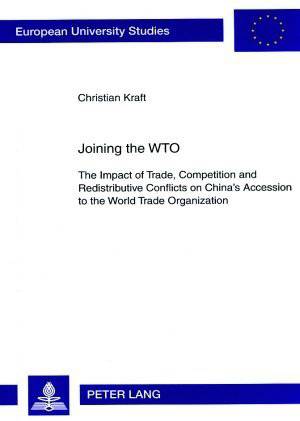
Joining the Wto
The Impact of Trade, Competition and Redistributive Conflicts on China's Accession to the World Trade Organization
Christian Kraft
€ 59,95
+ 119 punten
Omschrijving
It took 15 years of negotiations to integrate China into the World Trade Organization. This book argues that redistributive conflicts between China and old WTO members delayed the accession negotiations and fostered protectionist resentments against China as a new member. An explorative case study illustrates the emergence of third-market competition as a motive for members not to enlarge the organization since it contests the profits of their exporting industries. The econometric analysis of industry-specific antidumping measures on imports from China reveals that members' import-competing industries also seek protection. As a result, one reason why China was not warmly welcomed to the WTO by a heterogeneous group of countries is, ironically, its trading power.
Specificaties
Betrokkenen
- Auteur(s):
- Uitgeverij:
Inhoud
- Aantal bladzijden:
- 174
- Taal:
- Engels
- Reeks:
- Reeksnummer:
- nr. 550
Eigenschappen
- Productcode (EAN):
- 9783631567739
- Verschijningsdatum:
- 8/08/2007
- Uitvoering:
- Paperback
- Formaat:
- Trade paperback (VS)
- Afmetingen:
- 148 mm x 210 mm
- Gewicht:
- 249 g


Alleen bij Standaard Boekhandel
+ 119 punten op je klantenkaart van Standaard Boekhandel
Cadeau

AANGERADEN


Beoordelingen
We publiceren alleen reviews die voldoen aan de voorwaarden voor reviews. Bekijk onze voorwaarden voor reviews.