


- Afhalen na 1 uur in een winkel met voorraad
- Gratis thuislevering in België vanaf € 30
- Ruim aanbod met 7 miljoen producten
- Afhalen na 1 uur in een winkel met voorraad
- Gratis thuislevering in België vanaf € 30
- Ruim aanbod met 7 miljoen producten





€ 11,17
+ 11 punten
Omschrijving
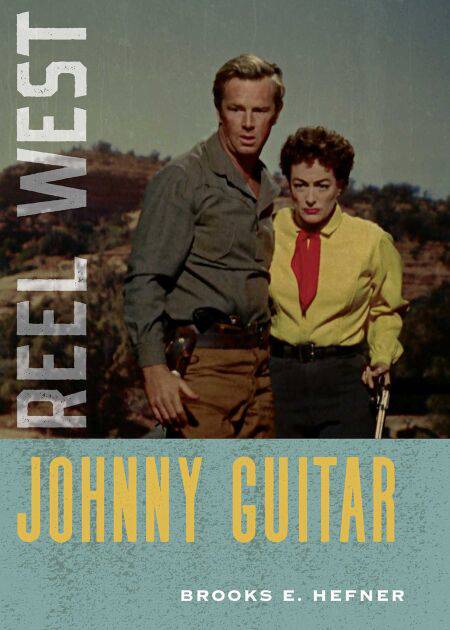
The first book on the groundbreaking 1954 Western by director Nicholas Ray, controversial in its time, now celebrated as a groundbreaking example of high camp, LGBTQ themes, and the outer limits of the Hollywood system.
What to make of Johnny Guitar, Nicholas Ray’s high-drama psychological Western from 1954? The film met with a mixed reception on its release but over the years has assumed cult status in some circles, with some critics now citing it among the greatest examples of the genre. In this first-ever book on this divisive Western, Brooks Hefner disentangles the tortured production history of the film and explores the question of what makes Johnny Guitar not only an important film but an important Western in an era rife with classic examples of the genre. Made at the peak of director Nicholas Ray’s career, Johnny Guitar’s layered themes of gender, sexuality, psychology, and politics make it one of the richest examples of the “adult Western,” those increasingly sophisticated films like George Stevens’s Shane (1953), John Ford’s The Searchers (1956), and the Westerns of Anthony Mann and Budd Boetticher. At the same time, Johnny Guitar represented an effort by B studio Republic Pictures to produce a prestige picture with major Hollywood stars like Joan Crawford and Sterling Hayden. Hefner shows how, with the studio system beginning to crumble, Johnny Guitar sits at a moment when stars and directors began to exert more control over their images and films.
What to make of Johnny Guitar, Nicholas Ray’s high-drama psychological Western from 1954? The film met with a mixed reception on its release but over the years has assumed cult status in some circles, with some critics now citing it among the greatest examples of the genre. In this first-ever book on this divisive Western, Brooks Hefner disentangles the tortured production history of the film and explores the question of what makes Johnny Guitar not only an important film but an important Western in an era rife with classic examples of the genre. Made at the peak of director Nicholas Ray’s career, Johnny Guitar’s layered themes of gender, sexuality, psychology, and politics make it one of the richest examples of the “adult Western,” those increasingly sophisticated films like George Stevens’s Shane (1953), John Ford’s The Searchers (1956), and the Westerns of Anthony Mann and Budd Boetticher. At the same time, Johnny Guitar represented an effort by B studio Republic Pictures to produce a prestige picture with major Hollywood stars like Joan Crawford and Sterling Hayden. Hefner shows how, with the studio system beginning to crumble, Johnny Guitar sits at a moment when stars and directors began to exert more control over their images and films.
Specificaties
Betrokkenen
- Auteur(s):
- Uitgeverij:
Inhoud
- Aantal bladzijden:
- 216
- Taal:
- Engels
- Reeks:
Eigenschappen
- Productcode (EAN):
- 9780826369659
- Verschijningsdatum:
- 15/06/2026
- Uitvoering:
- E-book
- Beveiligd met:
- Adobe DRM
- Formaat:
- ePub


Alleen bij Standaard Boekhandel
+ 11 punten op je klantenkaart van Standaard Boekhandel
Cadeau

AANGERADEN


Beoordelingen
We publiceren alleen reviews die voldoen aan de voorwaarden voor reviews. Bekijk onze voorwaarden voor reviews.