


- Afhalen na 1 uur in een winkel met voorraad
- Gratis thuislevering in België vanaf € 30
- Ruim aanbod met 7 miljoen producten
- Afhalen na 1 uur in een winkel met voorraad
- Gratis thuislevering in België vanaf € 30
- Ruim aanbod met 7 miljoen producten





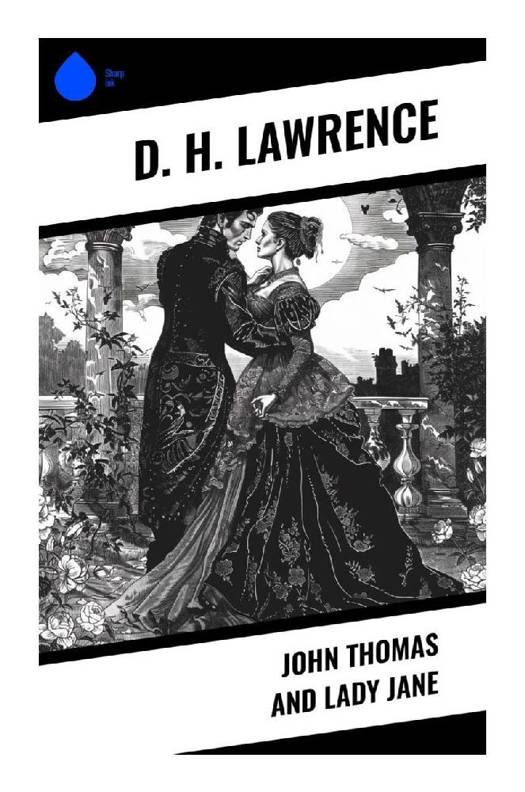
John Thomas and Lady Jane
A Lady Chatterley Precursor of Desire, Class Conflict, and Awakening on an English Country Estate
D. H. Lawrence
Paperback | Engels
€ 12,95
+ 25 punten
Omschrijving
John Thomas and Lady Jane presents Lawrence's bold intermediate version of the story that became Lady Chatterley's Lover: the encounter between an aristocratic woman trapped in a sterile marriage and a gamekeeper whose physical vitality promises emotional and social renewal. Less polished than the final novel yet often more exploratory, it joins frank eroticism to pastoral lyricism, social critique, and symbolic argument. Written against the modernist backdrop of postwar disillusion, industrial decay, and collapsing class certainties, the book reveals Lawrence testing how language might restore body, tenderness, and instinct to a mechanized civilization. D. H. Lawrence, son of a Nottinghamshire miner and a schoolteacher, repeatedly returned to conflicts between class, intellect, sexuality, and nature. His own Midlands background, fragile health, exile, censorship battles, and suspicion of industrial modernity shaped his imagination. In this manuscript, his personal mythology of bodily truth and intimate communion appears in unusually transparent formation. Readers interested in Lawrence, modernism, or the genealogy of Lady Chatterley's Lover will find this volume indispensable. It is best approached not as a mere draft, but as a compelling work in its own right.
Specificaties
Betrokkenen
- Auteur(s):
- Uitgeverij:
Inhoud
- Taal:
- Engels
Eigenschappen
- Productcode (EAN):
- 9788028376086
- Uitvoering:
- Paperback
- Afmetingen:
- 152 mm x 229 mm
- Gewicht:
- 262 g


Alleen bij Standaard Boekhandel
+ 25 punten op je klantenkaart van Standaard Boekhandel
CADEAU

AANGERADEN


Beoordelingen
We publiceren alleen reviews die voldoen aan de voorwaarden voor reviews. Bekijk onze voorwaarden voor reviews.