


- Afhalen na 1 uur in een winkel met voorraad
- Gratis thuislevering in België vanaf € 30
- Ruim aanbod met 7 miljoen producten
- Afhalen na 1 uur in een winkel met voorraad
- Gratis thuislevering in België vanaf € 30
- Ruim aanbod met 7 miljoen producten





€ 95,40
+ 190 punten
Omschrijving
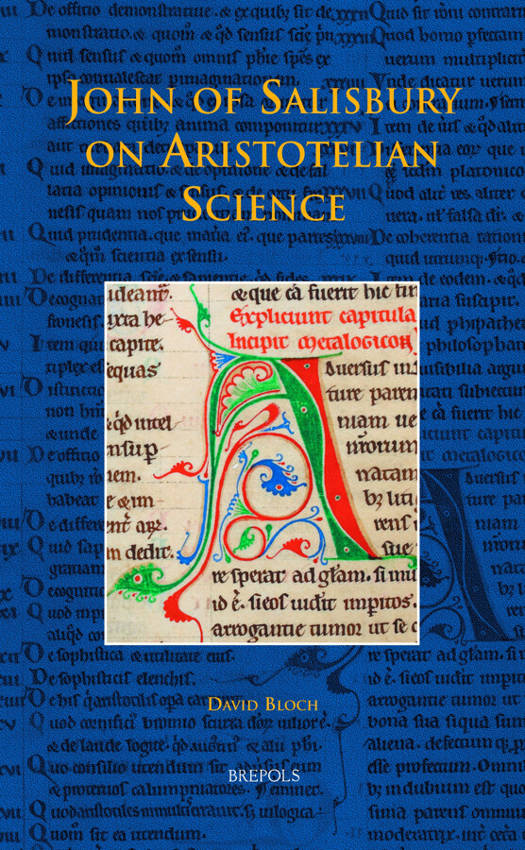
This is the first substantial treatment of John of Salisbury's views on Aristotelian science. In his great work on logic and education, John of Salisbury proposes an Aristotelian foundation for education, research, and science. Theories and methods of science and scholarship were central topics in twelfth-century discourse, and John is apparently the first to propose use of the entire Organon, the texts of which were to become very influential and important in the thirteenth century. However, his precise knowledge and understanding of Aristotle has never been thoroughly examined. The present book challenges the view that John read, understood, and used the entire Organon. It pays particular attention to the Metalogicon, but it draws upon a variety of other sources as well in arguing that John did not in fact study the Ars nova with any care, and that he probably never read the most important text, the Posterior Analytics, in its entirety. The conclusions of the book have important consequences not only for our conception of John of Salisbury, but also for our views and understanding of twelfth-century Aristotelianism and science in general.
Specificaties
Betrokkenen
- Auteur(s):
- Uitgeverij:
Inhoud
- Aantal bladzijden:
- 262
- Taal:
- Frans
- Reeks:
- Reeksnummer:
- nr. 8
Eigenschappen
- Productcode (EAN):
- 9782503540993
- Verschijningsdatum:
- 7/11/2012
- Uitvoering:
- Hardcover
- Formaat:
- Genaaid
- Afmetingen:
- 163 mm x 239 mm
- Gewicht:
- 557 g


Alleen bij Standaard Boekhandel
+ 190 punten op je klantenkaart van Standaard Boekhandel
AANGERADEN


Beoordelingen
We publiceren alleen reviews die voldoen aan de voorwaarden voor reviews. Bekijk onze voorwaarden voor reviews.