


- Afhalen na 1 uur in een winkel met voorraad
- Gratis thuislevering in België vanaf € 30
- Ruim aanbod met 7 miljoen producten
- Afhalen na 1 uur in een winkel met voorraad
- Gratis thuislevering in België vanaf € 30
- Ruim aanbod met 7 miljoen producten





€ 99,95
+ 199 punten
Uitvoering
Omschrijving
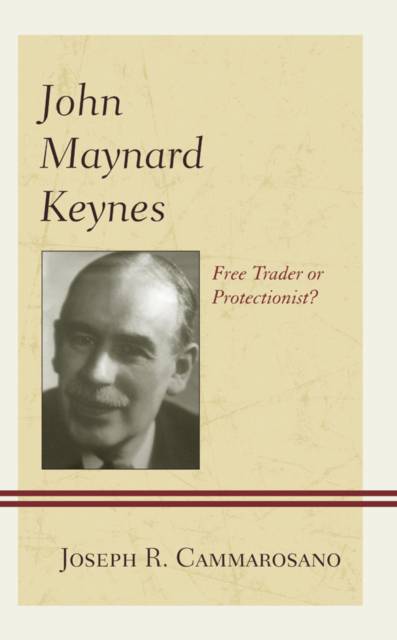
Over the course of his professional life, John Maynard Keynes altered his views from free trade in the classical tradition to restricted trade. At the end of his career, his position on the issue was still not categorically resolved even though the evidence seems to suggest that he moved closer to a system of managed trade. In that model, nations would not leave their foreign trade interests open to the vagaries of the free market, but rather exercise some degree of control over them just as they would their domestic economies. Nevertheless, there is no general agreement among economists as to whether Keynes ended his career in the camp of the free traders or aligned himself with the protectionists. John Maynard Keynes: Free Trader or Protectionist? seeks an answer to this question by analyzing Keynes' own views on this issue, as stated in his major publications, letters, speeches, testimony before government bodies, newspaper articles, participation in conferences, and other sources. Through this detailed review of what Keynes himself had to say on the issue as opposed to what others have alleged, this book strives to make a significant contribution to the resolution of this issue.
Specificaties
Betrokkenen
- Auteur(s):
- Uitgeverij:
Inhoud
- Aantal bladzijden:
- 220
- Taal:
- Engels
Eigenschappen
- Productcode (EAN):
- 9781498520881
- Verschijningsdatum:
- 25/08/2015
- Uitvoering:
- Paperback
- Formaat:
- Trade paperback (VS)
- Afmetingen:
- 150 mm x 229 mm
- Gewicht:
- 340 g



Alleen bij Standaard Boekhandel
+ 199 punten op je klantenkaart van Standaard Boekhandel
Cadeau

AANGERADEN


Beoordelingen
We publiceren alleen reviews die voldoen aan de voorwaarden voor reviews. Bekijk onze voorwaarden voor reviews.