


- Afhalen na 1 uur in een winkel met voorraad
- Gratis thuislevering in België vanaf € 30
- Ruim aanbod met 7 miljoen producten
- Afhalen na 1 uur in een winkel met voorraad
- Gratis thuislevering in België vanaf € 30
- Ruim aanbod met 7 miljoen producten





€ 53,45
+ 106 punten
Omschrijving
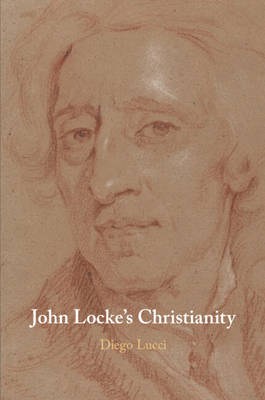
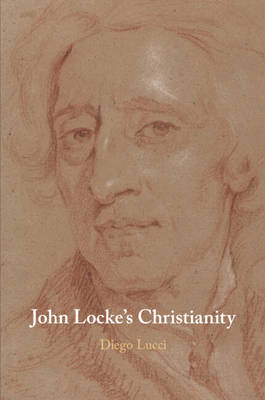
John Locke's religious interests and concerns permeate his philosophical production and are best expressed in his later writings on religion, which represent the culmination of his studies. In this volume, Diego Lucci offers a thorough analysis and reassessment of Locke's unique, heterodox, internally coherent version of Protestant Christianity, which emerges from The Reasonableness of Christianity and other public as well as private texts. In order to clarify Locke's views on morality, salvation, and the afterlife, Lucci critically examines Locke's theistic ethics, biblical hermeneutics, reflection on natural and revealed law, mortalism, theory of personal identity, Christology, and tolerationism. While emphasizing the originality of Locke's scripture-based religion, this book calls attention to his influences and explores the reception of his unorthodox theological ideas. Moreover, the book highlights the impact of Locke's natural and biblical theology on other areas of his thought, thus enabling a better understanding of the unity of his work.
Specificaties
Betrokkenen
- Auteur(s):
- Uitgeverij:
Inhoud
- Aantal bladzijden:
- 254
- Taal:
- Engels
Eigenschappen
- Productcode (EAN):
- 9781108819428
- Verschijningsdatum:
- 11/08/2022
- Uitvoering:
- Paperback
- Formaat:
- Trade paperback (VS)
- Afmetingen:
- 152 mm x 229 mm
- Gewicht:
- 344 g


Alleen bij Standaard Boekhandel
+ 106 punten op je klantenkaart van Standaard Boekhandel
Cadeau

AANGERADEN


Beoordelingen
We publiceren alleen reviews die voldoen aan de voorwaarden voor reviews. Bekijk onze voorwaarden voor reviews.