


- Afhalen na 1 uur in een winkel met voorraad
- Gratis thuislevering in België vanaf € 30
- Ruim aanbod met 7 miljoen producten
- Afhalen na 1 uur in een winkel met voorraad
- Gratis thuislevering in België vanaf € 30
- Ruim aanbod met 7 miljoen producten




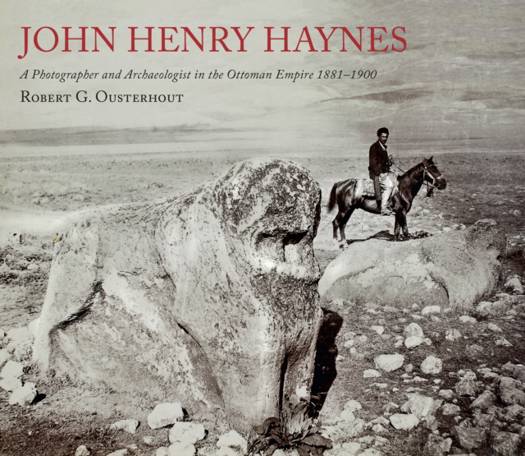
John Henry Haynes
A Photographer and Archaeologist in the Ottoman Empire 1881-1900 (2nd Edition)
Robert G Ousterhout
Paperback | Engels
€ 31,45
+ 62 punten
Omschrijving
Virtually unknown today, John Henry Haynes (1849-1910) may be regarded as the father of American archaeological photography.
His travels took him from Athens to Istanbul and on to Mesopotamia. In this landmark study, now revised with additional unpublished photographs published for the first time, Robert G. Ousterhout assesses his unique blend of artistry and documentation.
Although he had scant academic credentials and just a short training in 'aesthetic' photography, John Henry Haynes broke new ground. In 1900 he uncovered an astounding cache of 23,000 cuneiform tablets that told us much of what we know about the Sumerian literary tradition. And with his discerning eye and artistic sensibility, he captured astonishing sights, many never photographed before, and many no longer in existence. Ultimately he was the victim of rivalry, snobbery and outright skullduggery and died 'broken in body and spirit'.
His travels took him from Athens to Istanbul and on to Mesopotamia. In this landmark study, now revised with additional unpublished photographs published for the first time, Robert G. Ousterhout assesses his unique blend of artistry and documentation.
Although he had scant academic credentials and just a short training in 'aesthetic' photography, John Henry Haynes broke new ground. In 1900 he uncovered an astounding cache of 23,000 cuneiform tablets that told us much of what we know about the Sumerian literary tradition. And with his discerning eye and artistic sensibility, he captured astonishing sights, many never photographed before, and many no longer in existence. Ultimately he was the victim of rivalry, snobbery and outright skullduggery and died 'broken in body and spirit'.
Specificaties
Betrokkenen
- Auteur(s):
- Uitgeverij:
Inhoud
- Aantal bladzijden:
- 152
- Taal:
- Engels
Eigenschappen
- Productcode (EAN):
- 9780956594860
- Verschijningsdatum:
- 17/11/2016
- Uitvoering:
- Paperback
- Formaat:
- Trade paperback (VS)
- Afmetingen:
- 259 mm x 221 mm
- Gewicht:
- 816 g


Alleen bij Standaard Boekhandel
+ 62 punten op je klantenkaart van Standaard Boekhandel
AANGERADEN


Beoordelingen
We publiceren alleen reviews die voldoen aan de voorwaarden voor reviews. Bekijk onze voorwaarden voor reviews.