


- Afhalen na 1 uur in een winkel met voorraad
- Gratis thuislevering in België vanaf € 30
- Ruim aanbod met 7 miljoen producten
- Afhalen na 1 uur in een winkel met voorraad
- Gratis thuislevering in België vanaf € 30
- Ruim aanbod met 7 miljoen producten





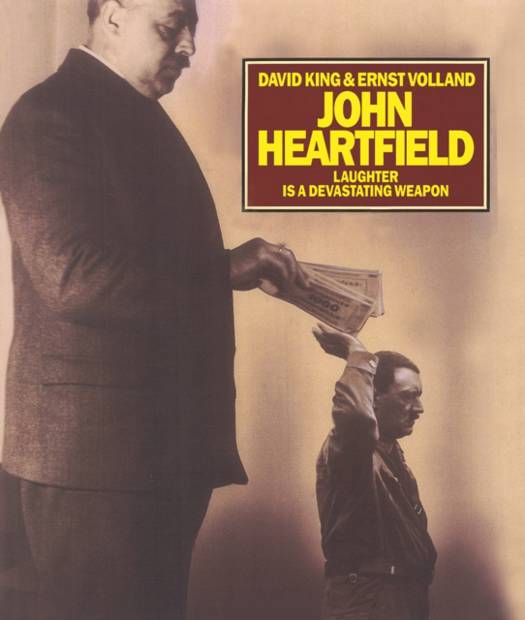
John Heartfield
Laughter Is a Devastating Weapon: His Original Photomontages and Printed Matter from the Akademie Der Keunste Berlin and the David King Collection at Tate Modern
David King, Ernst Volland
Hardcover | Engels
€ 41,95
+ 83 punten
Omschrijving
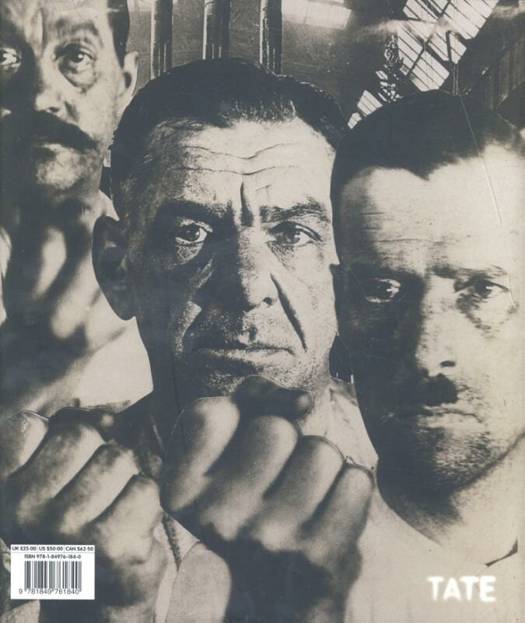
German artist John Heartfield (1891-1968) is widely considered one of the inventors of photomontage. In the 1930s, he produced some of the most visually arresting and politically hard-hitting artwork of the 20th century, appropriating the widely circulated propaganda of the time to create its total antithesis. In his own words, he used "laughter as a devastating weapon" to target the Nazis, which made him a target for Nazi censorship. In 1933, the Gestapo destroyed much of his work, after which he produced his brilliantly terrifying images in exile. This new book includes an insightful essay and more than 150 full-color reproductions of his works.
Specificaties
Betrokkenen
- Auteur(s):
- Uitgeverij:
Inhoud
- Aantal bladzijden:
- 160
- Taal:
- Engels
Eigenschappen
- Productcode (EAN):
- 9781849761840
- Verschijningsdatum:
- 27/10/2015
- Uitvoering:
- Hardcover
- Formaat:
- Genaaid
- Afmetingen:
- 249 mm x 292 mm
- Gewicht:
- 1360 g


Alleen bij Standaard Boekhandel
+ 83 punten op je klantenkaart van Standaard Boekhandel
Cadeau

AANGERADEN


Beoordelingen
We publiceren alleen reviews die voldoen aan de voorwaarden voor reviews. Bekijk onze voorwaarden voor reviews.