


- Afhalen na 1 uur in een winkel met voorraad
- Gratis thuislevering in België vanaf € 30
- Ruim aanbod met 7 miljoen producten
- Afhalen na 1 uur in een winkel met voorraad
- Gratis thuislevering in België vanaf € 30
- Ruim aanbod met 7 miljoen producten





€ 13,95
+ 27 punten
Omschrijving
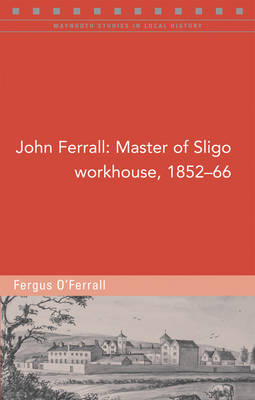
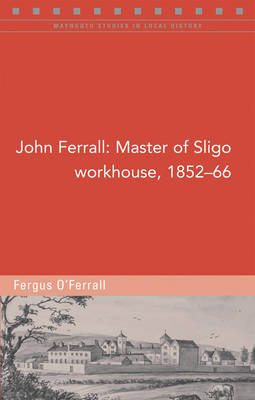
This case study provides the first account to focus on the career and work of a master of an Irish workhouse. It explores the role of a master in respect of issue such as management, governance and the provision for the poor in post-Famine Ireland during the fourteen-year period when John Ferrall served as Master of Sligo Workhouse. It illuminates how the poor-law system evolved in terms of medical and other services in the 1850s and 1860s despite the limitations laid down for the system in law and the ineffective governance provided by the annually elected Sligo Poor Law Boards of Guardians and the detailed regulations of the remote Poor Law Commissioners in Dublin.
Specificaties
Betrokkenen
- Auteur(s):
- Uitgeverij:
Inhoud
- Aantal bladzijden:
- 64
- Taal:
- Engels
- Reeks:
Eigenschappen
- Productcode (EAN):
- 9781846828034
- Verschijningsdatum:
- 6/09/2019
- Uitvoering:
- Paperback
- Formaat:
- Trade paperback (VS)
- Afmetingen:
- 137 mm x 211 mm
- Gewicht:
- 99 g


Alleen bij Standaard Boekhandel
+ 27 punten op je klantenkaart van Standaard Boekhandel
Cadeau

AANGERADEN


Beoordelingen
We publiceren alleen reviews die voldoen aan de voorwaarden voor reviews. Bekijk onze voorwaarden voor reviews.