



- Afhalen na 1 uur in een winkel met voorraad
- In januari gratis thuislevering in België
- Ruim aanbod met 7 miljoen producten
- Afhalen na 1 uur in een winkel met voorraad
- In januari gratis thuislevering in België
- Ruim aanbod met 7 miljoen producten





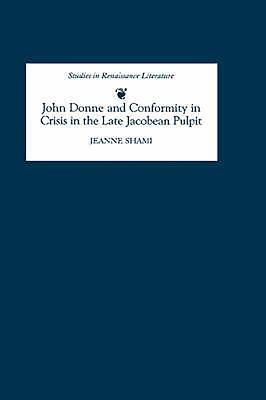
John Donne and Conformity in Crisis in the Late Jacobean Pulpit
Jeanne Shami
€ 209,45
+ 418 punten
Omschrijving
This book considers the professional contribution of John Donne to an emerging homiletic public sphere in the last years of the Jacobean English Church (1621-25), arguing that his sermons embody the conflicts, tensions, and pressures on public religious discourse in this period; while they are in no way "typical" of any particular preaching agenda or style, they articulate these crises in their most complex forms and expose fault lines in the late Jacobean Church. The study is framed by Donne's two most pointed contributions to the public sphere: his sermon defending James I's Directions to Preachers and his first sermon preached before Charles I in 1625. These two sermons emerge from the crises of controversy, censorship, and identity that converged in the late Jacobean period, and mark Donne's clearest professional interventions in the public debate about the nature and direction of the Church of England. In them, Donne interrogates the boundaries of the public sphere and of his conformity to the institutions, authorities, and traditions governing public debate in that sphere, modelling for his audience an actively engaged conformist identity. Professor JEANNE SHAMI teaches in the Department of English at the University of Regina.
Specificaties
Betrokkenen
- Auteur(s):
- Uitgeverij:
Inhoud
- Aantal bladzijden:
- 328
- Taal:
- Engels
- Reeks:
- Reeksnummer:
- nr. 13
Eigenschappen
- Productcode (EAN):
- 9780859917896
- Verschijningsdatum:
- 3/11/2003
- Uitvoering:
- Hardcover
- Formaat:
- Genaaid
- Afmetingen:
- 163 mm x 241 mm
- Gewicht:
- 666 g


Alleen bij Standaard Boekhandel
+ 418 punten op je klantenkaart van Standaard Boekhandel
Cadeau

AANGERADEN


Beoordelingen
We publiceren alleen reviews die voldoen aan de voorwaarden voor reviews. Bekijk onze voorwaarden voor reviews.