


- Afhalen na 1 uur in een winkel met voorraad
- Gratis thuislevering in België vanaf € 30
- Ruim aanbod met 7 miljoen producten
- Afhalen na 1 uur in een winkel met voorraad
- Gratis thuislevering in België vanaf € 30
- Ruim aanbod met 7 miljoen producten





€ 29,45
+ 58 punten
Omschrijving
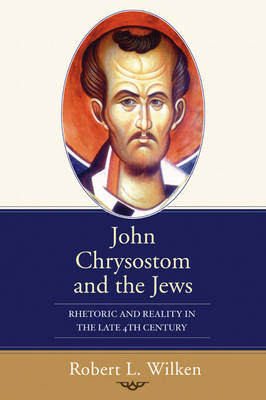
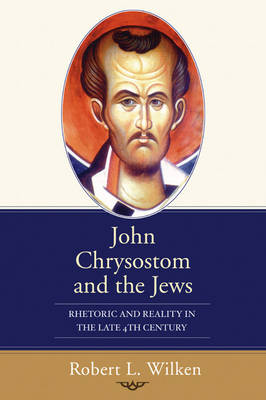
John Chrysostom, the golden mouth, the greatest preacher in the early church and a key figure during the transition from the ancient to the Byzantine and medieval worlds, is known as a vehement critic of the Jews. In this study, Robert Wilken presents a new interpretation of John's homilies against the Jews, setting them in the context of the pluralistic society of fourth-century Antioch and against the tradition of ancient rhetoric. In reading John's homilies, Wilken argues, we must not impose on them the anti-Jewish attitudes of medieval times, when Christianity was the dominant force in the West and Judaism was a minority religion. In John's time, Christianity was only one, and by no means the most self-assured, of the cultural forces in Antioch. It had to compete with an established Jewish community and with the classical pagan tradition that underlay education and public life. In 363, the Roman emperor Julian, who had apostatized Christianity to embrace the traditional pagan religion, attempted to rebuild the Jewish Temple in Jerusalem. He terrified the Christians, who saw in the Temple's ruins proof of the truth of their religion. Wilken examines John's sermons against this atmosphere of intense religious rivalry and lively polemic between Christians, Jews, and pagans. His book calls not only for a fresh look at John Chrysostom but also for a reconsideration of the continued importance of Judaism in late antique society and in the history of Christianity. Its conclusions will be of interest to historians and theologians, and to participants in the present-day Jewish-Christian dialogue.
Specificaties
Betrokkenen
- Auteur(s):
- Uitgeverij:
Inhoud
- Aantal bladzijden:
- 210
- Taal:
- Engels
Eigenschappen
- Productcode (EAN):
- 9781592449422
- Verschijningsdatum:
- 14/10/2004
- Uitvoering:
- Paperback
- Formaat:
- Trade paperback (VS)
- Afmetingen:
- 156 mm x 227 mm
- Gewicht:
- 294 g


Alleen bij Standaard Boekhandel
+ 58 punten op je klantenkaart van Standaard Boekhandel
Cadeau

AANGERADEN


Beoordelingen
We publiceren alleen reviews die voldoen aan de voorwaarden voor reviews. Bekijk onze voorwaarden voor reviews.