


- Afhalen na 1 uur in een winkel met voorraad
- Gratis thuislevering in België vanaf € 30
- Ruim aanbod met 7 miljoen producten
- Afhalen na 1 uur in een winkel met voorraad
- Gratis thuislevering in België vanaf € 30
- Ruim aanbod met 7 miljoen producten





€ 55,95
+ 111 punten
Omschrijving
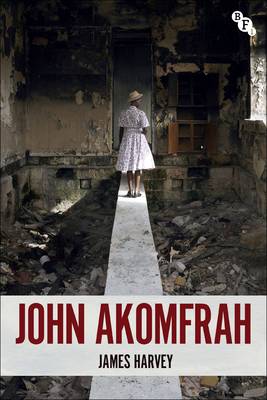
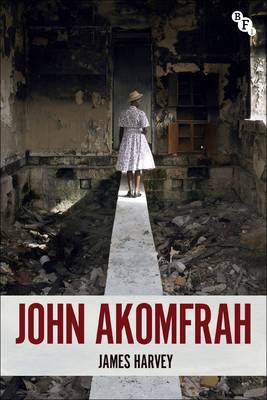
The films of John Akomfrah represent one of the most significant bodies of artistic production in the post-war era in Britain, yet little attempt has been made to analyse the consistencies and divergences across them.
James Harvey's John Akomfrah is the first comprehensive analytic engagement with these films, offering sustained close engagement with the artist's core thematic preoccupations and aesthetic tendencies. His analysis negotiates the contextual and theoretical layers of Akomfrah's rich and complex films, from the intermedial diaspora aesthetics of Handsworth Songs (1986) to the intersectional spatial ecopolitics of Purple (2017). Positioning Akomfrah in the burgeoning black British arts and cultural scene of the 1980s as a member of Black Audio Film Collective, Harvey traces the evolution of a critical relationship with the postcolonial archive in his early films, through analysis of documentaries made for television in the 1990s and up to more recent film installations in museums and galleries.Specificaties
Betrokkenen
- Auteur(s):
- Uitgeverij:
Inhoud
- Aantal bladzijden:
- 280
- Taal:
- Engels
Eigenschappen
- Productcode (EAN):
- 9781839023217
- Verschijningsdatum:
- 7/09/2023
- Uitvoering:
- Paperback
- Formaat:
- Trade paperback (VS)
- Afmetingen:
- 163 mm x 226 mm
- Gewicht:
- 635 g


Alleen bij Standaard Boekhandel
+ 111 punten op je klantenkaart van Standaard Boekhandel
CADEAU

AANGERADEN


Beoordelingen
We publiceren alleen reviews die voldoen aan de voorwaarden voor reviews. Bekijk onze voorwaarden voor reviews.