


- Afhalen na 1 uur in een winkel met voorraad
- Gratis thuislevering in België vanaf € 30
- Ruim aanbod met 7 miljoen producten
- Afhalen na 1 uur in een winkel met voorraad
- Gratis thuislevering in België vanaf € 30
- Ruim aanbod met 7 miljoen producten





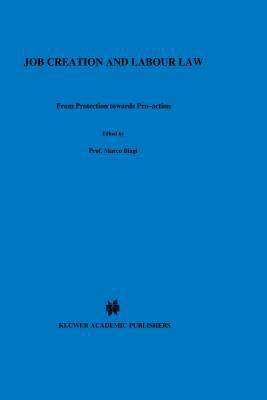
Job Creation and Labour Law, From Protection towards Pro-Action
From Protection towards Pro-action
Marco Biagi
€ 110,76
+ 221 punten
Omschrijving
The rapid proliferation everywhere of non-standard work arrangements, and the dramatic transformation of labour markets that inevitably follows, raise crucial questions about the future of labour law in national and regional contexts: Is labour law being called upon to perform the new function of promoting employment and actually creating jobs? Is it moving away from its original mission of protecting people at work, and instead protecting and fostering employability? How are labour law regimes in various countries reacting to this pressure? To what extent are they redirecting their focus? These are among the vital questions addressed at an international conference organised in Modena, Italy, in April 2000 by the International Club Meeting of Labour Law Periodicals, an informal forum linking a number of reviews from around the world under the auspices of The International Journal of Comparative Labour Law and Industrial Relations (IJCLLIR). This book records the work of this important discussion, offering the thoughtful, expert contributions of outstanding scholars from ten countries in all five continents. In particular, Job Creation and Labour Law highlights the ongoing debate between those who believe that legislative employment protection has little or no effect on overall employment and those who insist it is an essential factor in ensuring the continuity of a competent and adequate workforce. Scholars, practitioners, lawmakers, and others interested in the changing state of labour law will appreciate the expert authorship and truly international perspective of this insightful work.
Specificaties
Betrokkenen
- Auteur(s):
- Uitgeverij:
Inhoud
- Aantal bladzijden:
- 320
- Taal:
- Engels
- Reeks:
Eigenschappen
- Productcode (EAN):
- 9789041114327
- Verschijningsdatum:
- 8/11/2000
- Uitvoering:
- Hardcover
- Formaat:
- Genaaid
- Afmetingen:
- 156 mm x 234 mm
- Gewicht:
- 630 g


Alleen bij Standaard Boekhandel
+ 221 punten op je klantenkaart van Standaard Boekhandel
Cadeau

AANGERADEN


Beoordelingen
We publiceren alleen reviews die voldoen aan de voorwaarden voor reviews. Bekijk onze voorwaarden voor reviews.