


- Afhalen na 1 uur in een winkel met voorraad
- Gratis thuislevering in België vanaf € 30
- Ruim aanbod met 7 miljoen producten
- Afhalen na 1 uur in een winkel met voorraad
- Gratis thuislevering in België vanaf € 30
- Ruim aanbod met 7 miljoen producten





€ 137,95
+ 275 punten
Uitvoering
Omschrijving
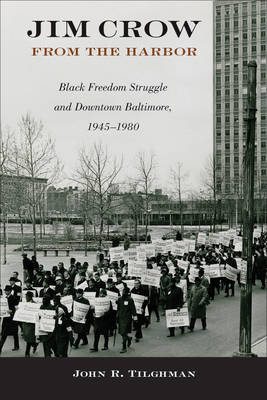
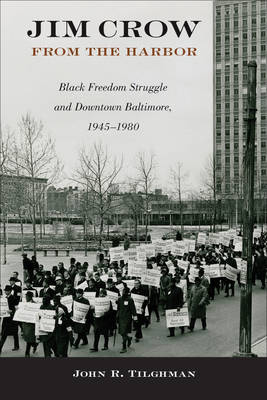
How do poor Black communities co-exist with downtown revitalization? How do Black social movements respond to urban renewal to ensure access to better housing and city spaces? John Tilghman investigates these interlocking questions in Jim Crow from the Harbor. Looking at Baltimore, Maryland's redevelopment in the post-war era of deindustrialization and population decline through white flight, Tilghman tells the story of how Black activists clashed with urban regimes.
Tilghman follows the money--redevelopment profits--which created tensions that prompted anti-freeway campaigns and affirmative action efforts. Through grassroots activism, protests, and community building, participants in the Black Freedom Struggle undermined downtown interests' efforts to reinforce racial segregation as well as other civil, political, and economic inequalities.
While their efforts met with both success and limitations, Tilghman emphasizes the strengths of this minority majority population as they strove for urban equality. Jim Crow from the Harbor provides a new perspective that helps explain what has provoked today's struggles in Baltimore for Black Americans.
In the series Urban Life, Landscape, and Policy
Specificaties
Betrokkenen
- Auteur(s):
- Uitgeverij:
Inhoud
- Aantal bladzijden:
- 212
- Taal:
- Engels
- Reeks:
Eigenschappen
- Productcode (EAN):
- 9781439927755
- Verschijningsdatum:
- 16/10/2026
- Uitvoering:
- Hardcover
- Formaat:
- Genaaid
- Afmetingen:
- 152 mm x 229 mm
- Gewicht:
- 453 g


Alleen bij Standaard Boekhandel
+ 275 punten op je klantenkaart van Standaard Boekhandel
Cadeau

AANGERADEN


Beoordelingen
We publiceren alleen reviews die voldoen aan de voorwaarden voor reviews. Bekijk onze voorwaarden voor reviews.