


- Afhalen na 1 uur in een winkel met voorraad
- Gratis thuislevering in België vanaf € 30
- Ruim aanbod met 7 miljoen producten
- Afhalen na 1 uur in een winkel met voorraad
- Gratis thuislevering in België vanaf € 30
- Ruim aanbod met 7 miljoen producten





€ 188,45
+ 376 punten
Omschrijving
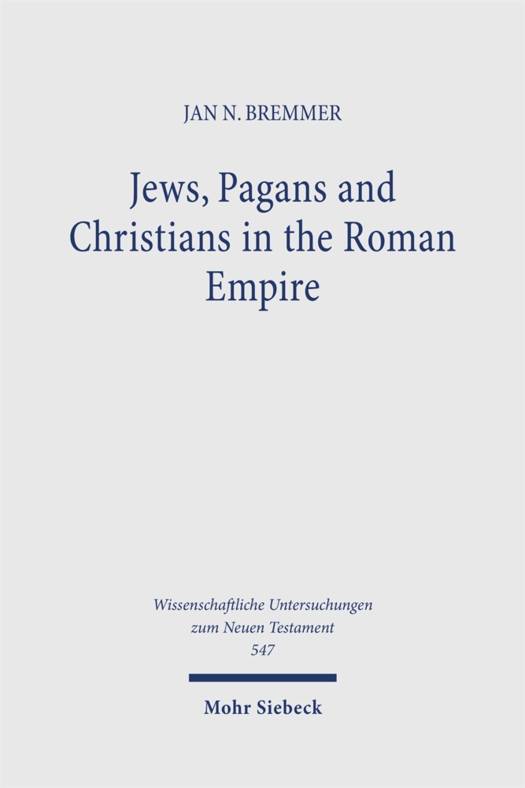
English summary: This volume brings together a series of articles on religion in the Roman Empire by Jan N. Bremmer, all of which have been updated and revised where necessary. Organised into four thematic sections, the author emphasises the interplay between early Christianity and its pagan surroundings but also analyses the religious developments in Late Antiquity. Starting with Jewish history, he pays particular attention to the 38 CE pogrom, the emergence of the terms 'Judaism' and 'Christianity', and the interest of Roman authors in Jewish literature, as exemplified by Vergil. The second section focuses on the mutual influences of pagans and Christians, examining subjects such as ghosts, sacrifices, miracles, and, especially, mysteries. The third section analyses various topics relating to early Christianity, such as human sacrifice, martyrs and persecutors, and the disputed dates of significant Christian texts, including the Letters of Ignatius and the Martyrdom of Polycarp. The final section examines key elements of religion in Late Antiquity, such as the demise of traditional Greek and Roman religion and Constanine's conversion. Thanks to its wide-ranging approach and rich bibliographies, this book is essential reading for anyone interested in religion in the Roman Empire. German description: Dieser Band versammelt ausgewahlte Studien Jan N. Bremmers zum Wechselspiel von Judentum, Christentum und paganer Religion im Romischen Reich. Der Autor behandelt eine weite Bandbreite von Themen, wie Pogrome, Geister, Opfer, Wunder, Mysterien, den Niedergang der traditionellen antiken Religion, die Bekehrung durch Konstantin und das Uberleben paganer Religion.
Specificaties
Betrokkenen
- Auteur(s):
- Uitgeverij:
Inhoud
- Aantal bladzijden:
- 680
- Taal:
- Engels
- Reeks:
Eigenschappen
- Productcode (EAN):
- 9783161705625
- Verschijningsdatum:
- 10/10/2025
- Uitvoering:
- Hardcover
- Formaat:
- Genaaid
- Afmetingen:
- 155 mm x 231 mm
- Gewicht:
- 557 g


Alleen bij Standaard Boekhandel
+ 376 punten op je klantenkaart van Standaard Boekhandel
Cadeau

AANGERADEN


Beoordelingen
We publiceren alleen reviews die voldoen aan de voorwaarden voor reviews. Bekijk onze voorwaarden voor reviews.