


- Afhalen na 1 uur in een winkel met voorraad
- Gratis thuislevering in België vanaf € 30
- Ruim aanbod met 7 miljoen producten
- Afhalen na 1 uur in een winkel met voorraad
- Gratis thuislevering in België vanaf € 30
- Ruim aanbod met 7 miljoen producten





€ 43,45
+ 86 punten
Omschrijving
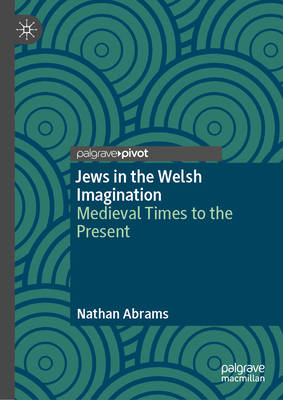
This book offers a comprehensive study of the ways Wales and Welsh people have historically engaged with--and imagined--Jews, Judaism, and Israel-Palestine. This volume argues that Wales is allosemitic, a term that encompasses both positive and negative attitudes towards Jews, but which views Jews as fundamentally different from the non-Jewish mainstream. Jews and Judaism have long--albeit hidden--histories in Wales, but traditionally, little has been written about non-Christian religions in Wales. Jews often served as allegorical figures in medieval poetry and chronicles; in the early modern period, Welsh Christian evangelists expressed missionary zeal toward Jews. In the twentieth century, policy driven by Welshmen like David Lloyd George and T.E. Lawrence changed the Middle East's political landscape forever. In the modern era, many Welsh intellectuals have become deeply involved in discussions around colonialism and conquest through the lens of the Israel-Palestine conflict: the latest iteration of a centuries-old conversation about self-determination, nationhood, identity, and more.
Specificaties
Betrokkenen
- Auteur(s):
- Uitgeverij:
Inhoud
- Aantal bladzijden:
- 139
- Taal:
- Engels
Eigenschappen
- Productcode (EAN):
- 9783032216205
- Verschijningsdatum:
- 1/06/2026
- Uitvoering:
- Hardcover
- Formaat:
- Genaaid
- Afmetingen:
- 148 mm x 210 mm


Alleen bij Standaard Boekhandel
+ 86 punten op je klantenkaart van Standaard Boekhandel
Cadeau

AANGERADEN


Beoordelingen
We publiceren alleen reviews die voldoen aan de voorwaarden voor reviews. Bekijk onze voorwaarden voor reviews.