


- Afhalen na 1 uur in een winkel met voorraad
- Gratis thuislevering in België vanaf € 30
- Ruim aanbod met 7 miljoen producten
- Afhalen na 1 uur in een winkel met voorraad
- Gratis thuislevering in België vanaf € 30
- Ruim aanbod met 7 miljoen producten





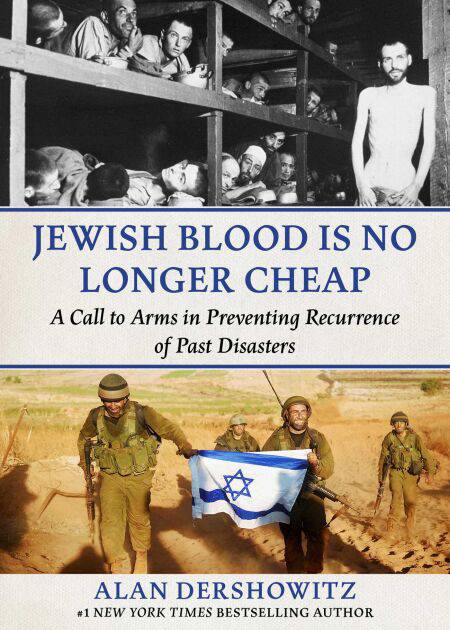
Jewish Blood Is No Longer Cheap E-BOOK
A Call to Arms in Preventing Recurrence of Past Disasters
Alan Dershowitz
E-book | Engels
€ 7,82
Omschrijving
Jewish Blood Is No Longer Cheap draws stark parallels between current threats to Jews and Israel and the pre-Holocaust era in 1930s Germany. Invoking the Talmud's directive to preemptively defend against killers, it criticizes historical Jewish underreactions due to fears of overreacting, citing figures like Rabbi Stephen Wise and Felix Frankfurter. Professor Alan Dershowitz argues that Israel's military response to the October 7, 2023, Hamas massacres—killing over 1,400 Israelis—was a justified overreaction to centuries of cheap Jewish blood, emphasizing deterrence over proportionality. It rejects genocide accusations, contrasting Israel's collateral civilian deaths with Nazi extermination and Allied WWII bombings.
The text explores the civilian-combatant continuum in Gaza, questioning the innocence of massacre supporters and doubting Hamas's casualty figures. It advocates population transfers for peace, citing post-WWII examples like Sudetenland and Königsberg, proposing a demilitarized, rebuilt Gaza as a "Singapore on the Mediterranean." Dilemmas of hostage retrieval in democracies are examined, weighing military needs against family pressures.
Israel is urged to prioritize security over public relations, amid global bias, and embody both Sparta's military prowess and Athens's technological and intellectual strength to counter threats like Iran's nuclear ambitions. Dershowitz calls for adapting morality preemptively against immoral foes to prevent recurrence. He warns of a pincer attack from right-wing (e.g., Tucker Carlson) and left-wing extremists (e.g., The Squad), posing political dilemmas for Jews, and advocates proactive steps to avert future disasters.
The text explores the civilian-combatant continuum in Gaza, questioning the innocence of massacre supporters and doubting Hamas's casualty figures. It advocates population transfers for peace, citing post-WWII examples like Sudetenland and Königsberg, proposing a demilitarized, rebuilt Gaza as a "Singapore on the Mediterranean." Dilemmas of hostage retrieval in democracies are examined, weighing military needs against family pressures.
Israel is urged to prioritize security over public relations, amid global bias, and embody both Sparta's military prowess and Athens's technological and intellectual strength to counter threats like Iran's nuclear ambitions. Dershowitz calls for adapting morality preemptively against immoral foes to prevent recurrence. He warns of a pincer attack from right-wing (e.g., Tucker Carlson) and left-wing extremists (e.g., The Squad), posing political dilemmas for Jews, and advocates proactive steps to avert future disasters.
Specificaties
Betrokkenen
- Auteur(s):
- Uitgeverij:
Inhoud
- Aantal bladzijden:
- 80
- Taal:
- Engels
Eigenschappen
- Productcode (EAN):
- 9781510786844
- Verschijningsdatum:
- 15/12/2025
- Uitvoering:
- E-book
- Beveiligd met:
- Adobe DRM
- Formaat:
- ePub



Alleen bij Standaard Boekhandel
AANGERADEN


Beoordelingen
We publiceren alleen reviews die voldoen aan de voorwaarden voor reviews. Bekijk onze voorwaarden voor reviews.