


- Afhalen na 1 uur in een winkel met voorraad
- Gratis thuislevering in België vanaf € 30
- Ruim aanbod met 7 miljoen producten
- Afhalen na 1 uur in een winkel met voorraad
- Gratis thuislevering in België vanaf € 30
- Ruim aanbod met 7 miljoen producten





€ 203,95
+ 407 punten
Omschrijving
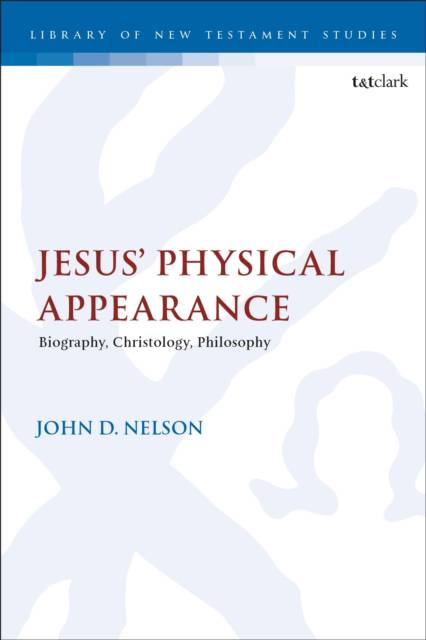
John Nelson presents the first full length study of the Gospels' treatment of Jesus' appearance, exploring precisely why, though Christ's image is recognised throughout the modern world, he is not physically described in the texts. Nelson argues that while the Gospels resemble Graeco-Roman biographies in their focus on a single individual, they also frequently depart from the genre's conventions; one of their most glaring omissions, picked up in recent scholarship, is their total silence on what Jesus looked like.
Nelson thus explores how the evangelists as Jewish authors might have uniquely engaged both the genre of the Gospels and the topic of Jesus' physical appearance. He makes clear the distinction between two broad attitudes Jewish authors took to Greek genres: to assimilate that genre's conventions, and to 'indigenise, ' or adopt the conventions of Jewish narrative prototypes in their adaption of Greek forms. Utilising genre theory, masculinity studies and post-colonial theory, Nelson consequently argues against the common view that Jewish writers simply adopted the same obsession with appearances that their gentile neighbours expressed, suggesting instead that the Gospels' reticence to describe Jesus' body may have been influenced by the reticence of biblical texts to describe the Lord's body.Specificaties
Betrokkenen
- Auteur(s):
- Uitgeverij:
Inhoud
- Aantal bladzijden:
- 264
- Taal:
- Engels
- Reeks:
Eigenschappen
- Productcode (EAN):
- 9780567723208
- Verschijningsdatum:
- 11/12/2025
- Uitvoering:
- Hardcover
- Formaat:
- Genaaid
- Afmetingen:
- 156 mm x 234 mm
- Gewicht:
- 539 g


Alleen bij Standaard Boekhandel
+ 407 punten op je klantenkaart van Standaard Boekhandel
Cadeau

AANGERADEN


Beoordelingen
We publiceren alleen reviews die voldoen aan de voorwaarden voor reviews. Bekijk onze voorwaarden voor reviews.