


- Afhalen na 1 uur in een winkel met voorraad
- Gratis thuislevering in België vanaf € 30
- Ruim aanbod met 7 miljoen producten
- Afhalen na 1 uur in een winkel met voorraad
- Gratis thuislevering in België vanaf € 30
- Ruim aanbod met 7 miljoen producten





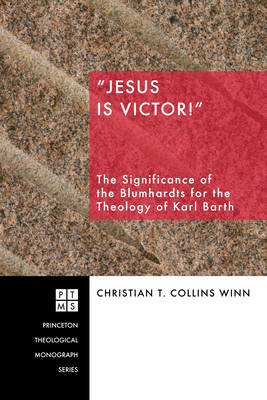
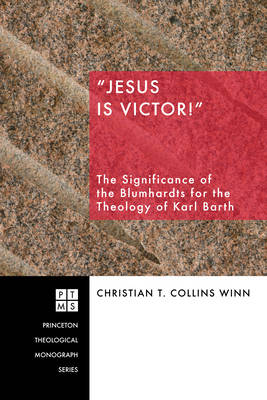
Jesus Is Victor!
The Significance of the Blumhardts for the Theology of Karl Barth
Christian T Collins Winn
€ 94,95
+ 189 punten
Omschrijving
IN THIS INNOVATIVE WORK, Christian T. Collins Winn examines the role played by the Pietist pastors Johann Christoph Blumhardt (1805-1880) and Christoph Friedrich Blumhardt (1842-1919) in the development of Karl Barth's theology. The disparate theological themes and dynamics of the two Blumhardts were crystallized in their eschatology, and Collins Winn argues that as early as 1916 Barth had appropriated this "Blumhardtian eschatological deposit" in ways fundamental to his own theological development. Against the grain of current Barth scholarship, this book establishes how the theology of the Blumhardts, though critically reconstructed, was not merely an episodic influence on Barth's work. Instead, the Blumhardts had a complex and enduring impact on Barth, such that their imprint can be detected even in the mature theology of his Church Dogmatics. In treading new ground into Barth's theological formation, Jesus Is Victor! represents an important contribution to the field of Barth studies.
Specificaties
Betrokkenen
- Auteur(s):
- Uitgeverij:
Inhoud
- Aantal bladzijden:
- 330
- Taal:
- Engels
- Reeks:
- Reeksnummer:
- nr. 93
Eigenschappen
- Productcode (EAN):
- 9781498249256
- Verschijningsdatum:
- 1/01/2009
- Uitvoering:
- Hardcover
- Formaat:
- Genaaid
- Afmetingen:
- 152 mm x 229 mm
- Gewicht:
- 612 g


Alleen bij Standaard Boekhandel
+ 189 punten op je klantenkaart van Standaard Boekhandel
Cadeau

AANGERADEN


Beoordelingen
We publiceren alleen reviews die voldoen aan de voorwaarden voor reviews. Bekijk onze voorwaarden voor reviews.