


- Afhalen na 1 uur in een winkel met voorraad
- Gratis thuislevering in België vanaf € 30
- Ruim aanbod met 7 miljoen producten
- Afhalen na 1 uur in een winkel met voorraad
- Gratis thuislevering in België vanaf € 30
- Ruim aanbod met 7 miljoen producten





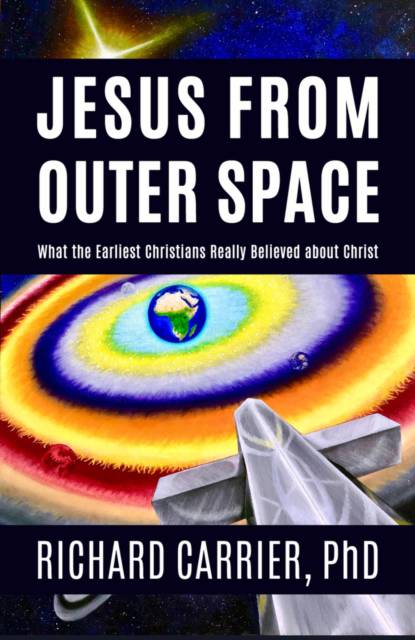
Jesus from Outer Space
What the Earliest Christians Really Believed about Christ
Richard Carrier
Hardcover | Engels
€ 38,95
+ 77 punten
Omschrijving
The earliest Christians believed Jesus was an ancient celestial being who put on a bodysuit of flesh, died at the hands of dark forces, and then rose from the dead and ascended back into the heavens. But the writing we have today from that first generation of Christians never says where they thought he landed, where he lived, or where he died. The idea that Jesus toured Galilee and visited Jerusalem arose only a lifetime later, in unsourced legends written in a foreign land and language. Many sources repeat those legends, but none corroborate them. Why? What exactly was the original belief about Jesus, and how did this belief change over time? In Jesus from Outer Space, noted philosopher and historian Richard Carrier summarizes for a popular audience the scholarly research on these and related questions, revealing in turn how modern attempts to conceal, misrepresent, or avoid the actual evidence calls into question the entire field of Jesus studies--and present-day beliefs about how Christianity began.
Specificaties
Betrokkenen
- Auteur(s):
- Uitgeverij:
Inhoud
- Aantal bladzijden:
- 232
- Taal:
- Engels
Eigenschappen
- Productcode (EAN):
- 9781634311946
- Verschijningsdatum:
- 20/10/2020
- Uitvoering:
- Hardcover
- Formaat:
- Genaaid
- Afmetingen:
- 155 mm x 231 mm
- Gewicht:
- 453 g


Alleen bij Standaard Boekhandel
+ 77 punten op je klantenkaart van Standaard Boekhandel
Cadeau

AANGERADEN


Beoordelingen
We publiceren alleen reviews die voldoen aan de voorwaarden voor reviews. Bekijk onze voorwaarden voor reviews.