


- Afhalen na 1 uur in een winkel met voorraad
- Gratis thuislevering in België vanaf € 30
- Ruim aanbod met 7 miljoen producten
- Afhalen na 1 uur in een winkel met voorraad
- Gratis thuislevering in België vanaf € 30
- Ruim aanbod met 7 miljoen producten





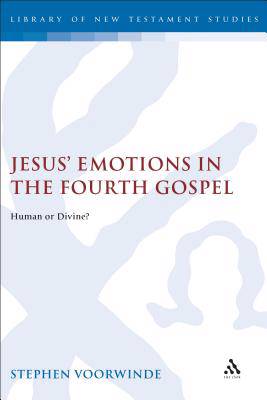
Jesus' Emotions in the Fourth Gospel
Stephen Voorwinde
€ 415,95
+ 831 punten
Omschrijving
This book seeks to discuss John's references to Jesus' emotions in the light of the current debate regarding Johannine Christology. The Fourth Gospel refers to Jesus' love, joy, and zeal. At times it also portrays him as troubled, deeply moved, and in tears. Do these expressions of emotion underscore Jesus' humanity or his divinity? The study is set against the background of the emotions of God as found in earlier Jewish literature, as well as against that of the emotions of Jesus in the Synoptics and the remainder of the New Testament. Voorwinde argues that the covenant provides the most consistent perspective for viewing both the emotions of Yahweh in the Old Testament and the emotions of Jesus in the Gospels. The Johannine Jesus is found to fulfil the hitherto incompatible roles of covenant Lord and covenant sacrifice. Rather than being expressive only of his humanity Jesus' emotions are also found to underscore his divinity. This is due to the unique genius of this Gospel with its paradoxical presentation of Jesus whose divinity is manifested most eloquently in his weakness, suffering, and death. Only his tears at the grave of Lazarus can be explained as a human emotion pure and simple. All the other emotions, because of their strong connections to the cross, highlight both Jesus' humanity and divinity, albeit for various reasons and in highly nuanced ways. JSNTS 284
Specificaties
Betrokkenen
- Auteur(s):
- Uitgeverij:
Inhoud
- Aantal bladzijden:
- 360
- Taal:
- Engels
- Reeks:
Eigenschappen
- Productcode (EAN):
- 9780567030269
- Verschijningsdatum:
- 1/11/2005
- Uitvoering:
- Hardcover
- Formaat:
- Genaaid
- Afmetingen:
- 161 mm x 241 mm
- Gewicht:
- 689 g


Alleen bij Standaard Boekhandel
+ 831 punten op je klantenkaart van Standaard Boekhandel
Cadeau

AANGERADEN


Beoordelingen
We publiceren alleen reviews die voldoen aan de voorwaarden voor reviews. Bekijk onze voorwaarden voor reviews.