



Je cadeautjes zeker op tijd in huis hebben voor de feestdagen? Kom langs in onze winkels en vind het perfecte geschenk!
- Afhalen na 1 uur in een winkel met voorraad
- Gratis thuislevering in België vanaf € 30
- Ruim aanbod met 7 miljoen producten
Je cadeautjes zeker op tijd in huis hebben voor de feestdagen? Kom langs in onze winkels en vind het perfecte geschenk!
- Afhalen na 1 uur in een winkel met voorraad
- Gratis thuislevering in België vanaf € 30
- Ruim aanbod met 7 miljoen producten





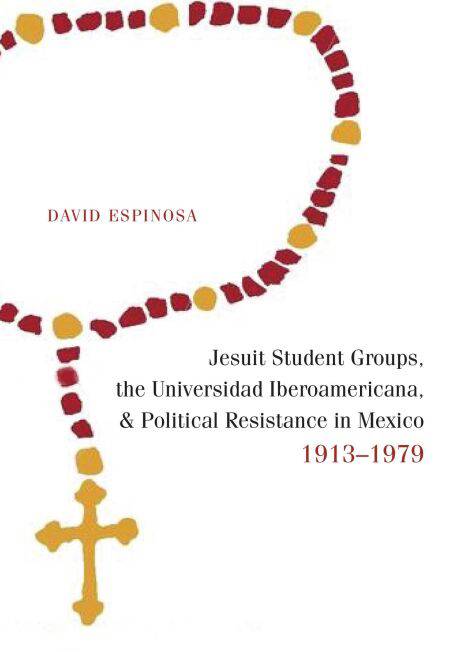
Jesuit Student Groups, the Universidad Iberoamericana, and Political Resistance in Mexico, 1913-1979 E-BOOK
David Espinosa
E-book | Engels
€ 22,36
+ 22 punten
Uitvoering
Omschrijving
The history of Mexico in the twentieth century is marked by conflict between church and state. This book focuses on the efforts of the Roman Catholic Church to influence Mexican society through Jesuit-led organizations such as the Mexican Catholic Youth Association, the National Catholic Student Union, and the Universidad Iberoamericana. Dedicated to the education and indoctrination of Mexico’s middle- and upper-class youth, these organizations were designed to promote conservative Catholic values. The author shows that they left a very different imprint on Mexican society, training a generation of activists who played important roles in politics and education. Ultimately, Espinosa shows, the social justice movement that grew out of Jesuit education fostered the leftist student movement of the 1960s that culminated in the Tlatelolco massacre of 1968. This study demonstrates the convergence of the Church, Mexico’s new business class, and the increasingly pro-capitalist PRI, the party that has ruled Mexico in recent decades.
Espinosa’s archival research has led him to important but long-overlooked events like the student strike of 1944, the internal upheavals of the Church over liberation theology, and the complicated relations between the Jesuits and the conservative business class. His book offers vital new perspectives for scholars of education, politics, and religion in twentieth-century Mexico.
Espinosa’s archival research has led him to important but long-overlooked events like the student strike of 1944, the internal upheavals of the Church over liberation theology, and the complicated relations between the Jesuits and the conservative business class. His book offers vital new perspectives for scholars of education, politics, and religion in twentieth-century Mexico.
Specificaties
Betrokkenen
- Auteur(s):
- Uitgeverij:
Inhoud
- Aantal bladzijden:
- 216
- Taal:
- Engels
Eigenschappen
- Productcode (EAN):
- 9780826354617
- Verschijningsdatum:
- 31/05/2014
- Uitvoering:
- E-book
- Beveiligd met:
- Adobe DRM
- Formaat:
- ePub


Alleen bij Standaard Boekhandel
+ 22 punten op je klantenkaart van Standaard Boekhandel
CADEAU


Beoordelingen
We publiceren alleen reviews die voldoen aan de voorwaarden voor reviews. Bekijk onze voorwaarden voor reviews.