


- Afhalen na 1 uur in een winkel met voorraad
- Gratis thuislevering in België vanaf € 30
- Ruim aanbod met 7 miljoen producten
- Afhalen na 1 uur in een winkel met voorraad
- Gratis thuislevering in België vanaf € 30
- Ruim aanbod met 7 miljoen producten





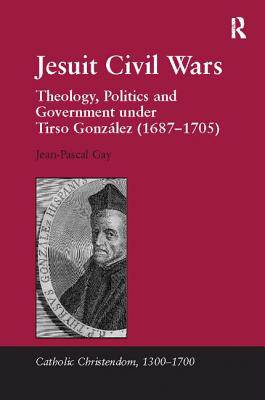
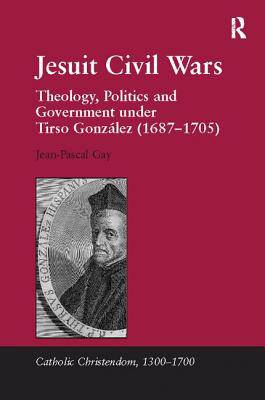
Jesuit Civil Wars
Theology, Politics and Government under Tirso González (1687-1705)
Jean-Pascal Gay
€ 112,95
+ 225 punten
Uitvoering
Omschrijving
Founded in 1540, the Society of Jesus quickly established itself as one of the most influential but divisive orders within early-modern Catholicism. Covering the generalate of Tirso Gonzàlez (1687-1705) this book offers a window into Jesuit politics and theology during this much less documented period in the Society's history. It focuses on two major crises during Gonzàlez's generalate, the first being the confrontation between Louis XIV and the Papacy over the question of control of the Church in France; the second, Gonzàlez's opposition to the theory of 'probabilism', to which the bulk of Jesuits subscribed. As such the book not only illuminates the role and theology of Gonzàlez, but also the tensions within late seventeenth-century Catholicism.
Specificaties
Betrokkenen
- Auteur(s):
- Uitgeverij:
Inhoud
- Aantal bladzijden:
- 336
- Taal:
- Engels
- Reeks:
Eigenschappen
- Productcode (EAN):
- 9781138117068
- Verschijningsdatum:
- 24/05/2017
- Uitvoering:
- Paperback
- Formaat:
- Trade paperback (VS)
- Afmetingen:
- 156 mm x 234 mm
- Gewicht:
- 471 g


Alleen bij Standaard Boekhandel
+ 225 punten op je klantenkaart van Standaard Boekhandel
Cadeau

AANGERADEN


Beoordelingen
We publiceren alleen reviews die voldoen aan de voorwaarden voor reviews. Bekijk onze voorwaarden voor reviews.