


- Afhalen na 1 uur in een winkel met voorraad
- Gratis thuislevering in België vanaf € 30
- Ruim aanbod met 7 miljoen producten
- Afhalen na 1 uur in een winkel met voorraad
- Gratis thuislevering in België vanaf € 30
- Ruim aanbod met 7 miljoen producten





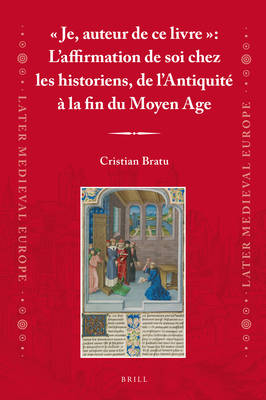
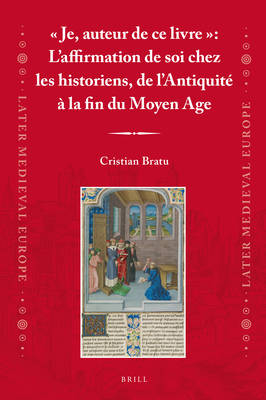
« Je, Auteur de CE Livre »
L'Affirmation de Soi Chez Les Historiens, de l'Antiquité À La Fin Du Moyen Age
Cristian Bratu
€ 351,45
+ 702 punten
Omschrijving
In L'affirmation de soi chez les historiens, Cristian Bratu discusses authorial self-representations and self-promotion strategies in the works of ancient and medieval historians, from Herodotus (5th c. BC) to Philippe de Commynes (15th c. AD). After describing the emergence of an author figure in the works of ancient Greek and Roman historians, Bratu shows that, in spite of the emphasis placed by the nascent Christian civilization on humility, medieval historians were anything but self-effacing. Subsequently, he focuses on the authorial figures of French medieval historians who wrote in the vernacular between the 12th and 15th centuries. Bratu uses a variety of approaches (philology, codicology, narratology) in order to shed new light on the authorial figures of ancient and medieval historians.
Dans L'affirmation de soi chez les historiens, Cristian Bratu étudie la figure de l'auteur dans les oeuvres des historiens antiques et médiévaux, d'Hérodote (Ve siècle av. J.-C.) à Philippe de Commynes (XVe siècle ap. J.-C.). Après une section dédiée à l'émergence d'une figure d'auteur chez les historiens de l'Antiquité gréco-romaine, Bratu montre que malgré l'importance accordée à l'humilité dans la civilisation chrétienne naissante, les historiens médiévaux furent tout sauf modestes. Cette étude se concentre ensuite sur les figures des historiens de langue française entre le XIIe et le XVe siècle. En s'appuyant sur différentes méthodes (philologie, codicologie, narratologie), Cristian Bratu apporte un éclairage nouveau sur la figure de l'auteur chez les historiens antiques et médiévaux.
Dans L'affirmation de soi chez les historiens, Cristian Bratu étudie la figure de l'auteur dans les oeuvres des historiens antiques et médiévaux, d'Hérodote (Ve siècle av. J.-C.) à Philippe de Commynes (XVe siècle ap. J.-C.). Après une section dédiée à l'émergence d'une figure d'auteur chez les historiens de l'Antiquité gréco-romaine, Bratu montre que malgré l'importance accordée à l'humilité dans la civilisation chrétienne naissante, les historiens médiévaux furent tout sauf modestes. Cette étude se concentre ensuite sur les figures des historiens de langue française entre le XIIe et le XVe siècle. En s'appuyant sur différentes méthodes (philologie, codicologie, narratologie), Cristian Bratu apporte un éclairage nouveau sur la figure de l'auteur chez les historiens antiques et médiévaux.
Specificaties
Betrokkenen
- Auteur(s):
- Uitgeverij:
Inhoud
- Aantal bladzijden:
- 844
- Taal:
- Frans
- Reeks:
- Reeksnummer:
- nr. 20
Eigenschappen
- Productcode (EAN):
- 9789004380394
- Verschijningsdatum:
- 16/05/2019
- Uitvoering:
- Hardcover
- Formaat:
- Genaaid
- Afmetingen:
- 163 mm x 236 mm
- Gewicht:
- 1315 g


Alleen bij Standaard Boekhandel
+ 702 punten op je klantenkaart van Standaard Boekhandel
CADEAU


Beoordelingen
We publiceren alleen reviews die voldoen aan de voorwaarden voor reviews. Bekijk onze voorwaarden voor reviews.