


- Afhalen na 1 uur in een winkel met voorraad
- Gratis thuislevering in België vanaf € 30
- Ruim aanbod met 7 miljoen producten
- Afhalen na 1 uur in een winkel met voorraad
- Gratis thuislevering in België vanaf € 30
- Ruim aanbod met 7 miljoen producten





Omschrijving
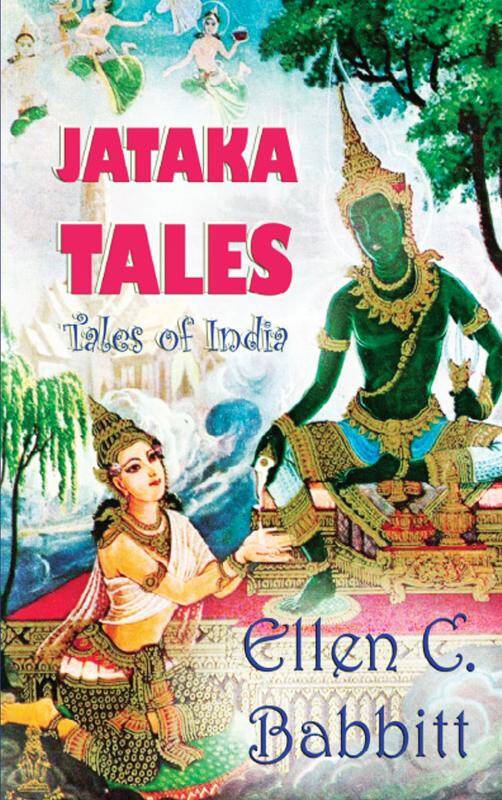
These legends were continually introduced into the religious discourses of the Buddhist teachers to illustrate the doctrines of their faith or to magnify the glory and sanctity of the Buddha, somewhat as medieval preachers in Europe used to enliven their sermons by introducing fables and popular tales to rouse the flagging interest of their hearers.
Sculptured scenes from the Jatakas, found upon the carved railings around the relic shrines of Sanchi and Amaravati and of Bharhut, indicate that the "Birth-stories" were widely known in the third century B.C., and were then considered as part of the sacred history of the religion.
At first the tales were probably handed down orally, and it is uncertain when they were put together in systematic form.
While some of the stories are Buddhistic and depend for their point on some custom or idea peculiar to Buddhism, many are age-old fables, the flotsam and jetsam of folklore, which have appeared under various guises throughout the centuries, as when they were used by Boccaccio or Poggio, merely as merry tales, or by Chaucer.
Sculptured scenes from the Jatakas, found upon the carved railings around the relic shrines of Sanchi and Amaravati and of Bharhut, indicate that the "Birth-stories" were widely known in the third century B.C., and were then considered as part of the sacred history of the religion.
At first the tales were probably handed down orally, and it is uncertain when they were put together in systematic form.
While some of the stories are Buddhistic and depend for their point on some custom or idea peculiar to Buddhism, many are age-old fables, the flotsam and jetsam of folklore, which have appeared under various guises throughout the centuries, as when they were used by Boccaccio or Poggio, merely as merry tales, or by Chaucer.
Specificaties
Betrokkenen
- Auteur(s):
- Uitgeverij:
Inhoud
- Aantal bladzijden:
- 94
- Taal:
- Engels
Eigenschappen
- Productcode (EAN):
- 9786256014336
- Verschijningsdatum:
- 4/02/2025
- Uitvoering:
- Paperback
- Afmetingen:
- 135 mm x 215 mm
- Gewicht:
- 141 g


Alleen bij Standaard Boekhandel
+ 35 punten op je klantenkaart van Standaard Boekhandel
AANGERADEN


Beoordelingen
We publiceren alleen reviews die voldoen aan de voorwaarden voor reviews. Bekijk onze voorwaarden voor reviews.