


- Afhalen na 1 uur in een winkel met voorraad
- Gratis thuislevering in België vanaf € 30
- Ruim aanbod met 7 miljoen producten
- Afhalen na 1 uur in een winkel met voorraad
- Gratis thuislevering in België vanaf € 30
- Ruim aanbod met 7 miljoen producten





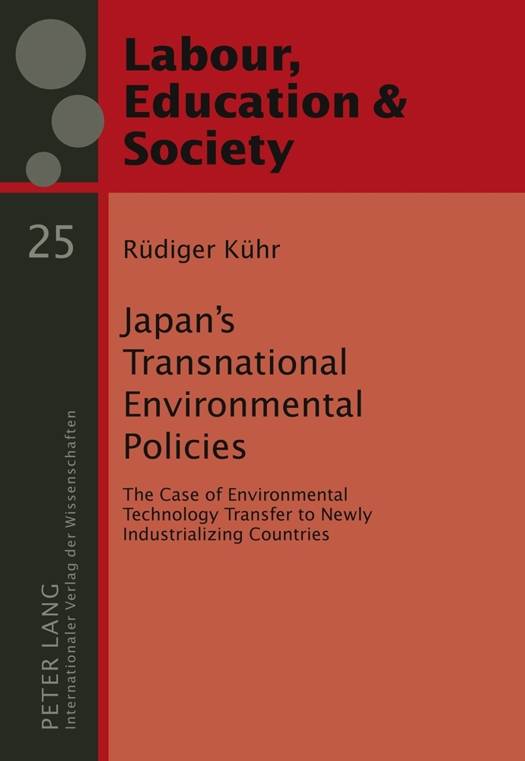
Japan's Transnational Environmental Policies; The Case of Environmental Technology Transfer to Newly Industrializing Countries
The Case of Environmental Technology Transfer to Newly Industrializing Countries
Rüdiger Kühr
€ 65,95
+ 131 punten
Omschrijving
This study examines Japan's transnational environmental policy through environmental technology transfer to Newly Industrializing Countries (NICs) in the 1990s. It addresses the ability of Japan to take up the challenges in this transnational sphere. Social scientists differ in their assessment about the future of nation-states' capability to steer policy formulation under this changing framework. However, transnationalization does not necessarily undermine the state, but includes transformations of state forms and policy making. The transfer of environmental technology to NICs proceeds on the assumption of the existent, but probably reduced capacity of states to act. Based on the policy cycle model, this study focuses special attention to the actors based on Albrecht Dehnhard's theory that nation-states are gaining power in international circles.
Specificaties
Betrokkenen
- Auteur(s):
- Uitgeverij:
Inhoud
- Aantal bladzijden:
- 234
- Taal:
- Engels
- Reeks:
- Reeksnummer:
- nr. 25
Eigenschappen
- Productcode (EAN):
- 9783631620892
- Verschijningsdatum:
- 19/09/2011
- Uitvoering:
- Hardcover
- Formaat:
- Ongenaaid / garenloos gebonden
- Afmetingen:
- 147 mm x 211 mm
- Gewicht:
- 430 g


Alleen bij Standaard Boekhandel
+ 131 punten op je klantenkaart van Standaard Boekhandel
Cadeau

AANGERADEN


Beoordelingen
We publiceren alleen reviews die voldoen aan de voorwaarden voor reviews. Bekijk onze voorwaarden voor reviews.