


- Afhalen na 1 uur in een winkel met voorraad
- Gratis thuislevering in België vanaf € 30
- Ruim aanbod met 7 miljoen producten
- Afhalen na 1 uur in een winkel met voorraad
- Gratis thuislevering in België vanaf € 30
- Ruim aanbod met 7 miljoen producten





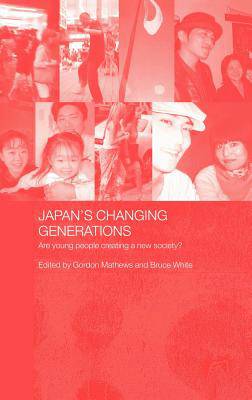
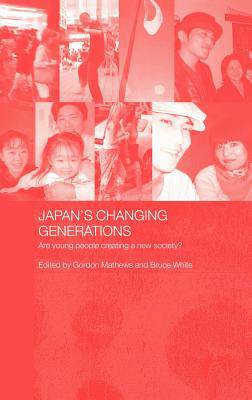
Japan's Changing Generations
Are Young People Creating a New Society?
€ 404,45
+ 808 punten
Omschrijving
This book argues that 'the generation gap' in Japan is something more than young people resisting the adult social order before entering and conforming to that order. Rather, it signifies something more fundamental: the emergence of a new Japan, which may be quite different from the Japan of postwar decades. It argues that while young people in Japan in their teens, twenties and early thirties are not engaged in overt social or political resistance, they are turning against the existing Japanese social order, whose legitimacy has been undermined by the past decade of economic downturn. The book shows how young people in Japan are thinking about their bodies and identities, their social relationships, and their employment and parenting, in new and generationally contextual ways, that may help to create a future Japan quite different from Japan of the recent past.
Specificaties
Betrokkenen
- Uitgeverij:
Inhoud
- Aantal bladzijden:
- 220
- Taal:
- Engels
- Reeks:
Eigenschappen
- Productcode (EAN):
- 9780415322270
- Verschijningsdatum:
- 20/11/2003
- Uitvoering:
- Hardcover
- Formaat:
- Genaaid
- Afmetingen:
- 166 mm x 235 mm
- Gewicht:
- 462 g

Alleen bij Standaard Boekhandel
+ 808 punten op je klantenkaart van Standaard Boekhandel
CADEAU

AANGERADEN


Beoordelingen
We publiceren alleen reviews die voldoen aan de voorwaarden voor reviews. Bekijk onze voorwaarden voor reviews.