


- Afhalen na 1 uur in een winkel met voorraad
- Gratis thuislevering in België vanaf € 30
- Ruim aanbod met 7 miljoen producten
- Afhalen na 1 uur in een winkel met voorraad
- Gratis thuislevering in België vanaf € 30
- Ruim aanbod met 7 miljoen producten





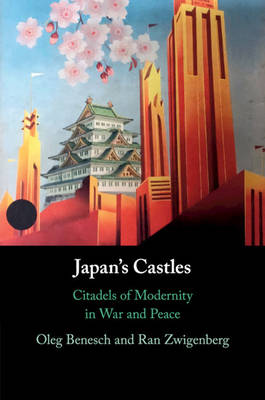
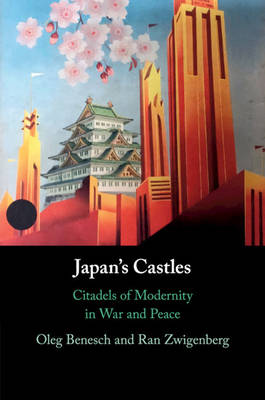
Japan's Castles
Citadels of Modernity in War and Peace
Oleg Benesch, Ran Zwigenberg
Paperback | Engels
€ 76,45
+ 152 punten
Omschrijving
An innovative examination of heritage politics in Japan, showing how castles have been used to re-invent and recapture competing versions of the pre-imperial past and project possibilities for Japan's future. Oleg Benesch and Ran Zwigenberg argue that Japan's modern transformations can be traced through its castles. They examine how castle preservation and reconstruction campaigns served as symbolic ways to assert particular views of the past and were crucial in the making of an idealized premodern history. Castles have been used to craft identities, to create and erase memories, and to symbolically join tradition and modernity. Until 1945, they served as physical and symbolic links between the modern military and the nation's premodern martial heritage. After 1945, castles were cleansed of military elements and transformed into public cultural spaces that celebrated both modernity and the pre-imperial past. What were once signs of military power have become symbols of Japan's idealized peaceful past.
Specificaties
Betrokkenen
- Auteur(s):
- Uitgeverij:
Inhoud
- Aantal bladzijden:
- 378
- Taal:
- Engels
Eigenschappen
- Productcode (EAN):
- 9781108741651
- Verschijningsdatum:
- 5/03/2020
- Uitvoering:
- Paperback
- Formaat:
- Trade paperback (VS)
- Afmetingen:
- 152 mm x 229 mm
- Gewicht:
- 503 g


Alleen bij Standaard Boekhandel
+ 152 punten op je klantenkaart van Standaard Boekhandel
Cadeau

AANGERADEN


Beoordelingen
We publiceren alleen reviews die voldoen aan de voorwaarden voor reviews. Bekijk onze voorwaarden voor reviews.