


- Afhalen na 1 uur in een winkel met voorraad
- Gratis thuislevering in België vanaf € 30
- Ruim aanbod met 7 miljoen producten
- Afhalen na 1 uur in een winkel met voorraad
- Gratis thuislevering in België vanaf € 30
- Ruim aanbod met 7 miljoen producten





Omschrijving
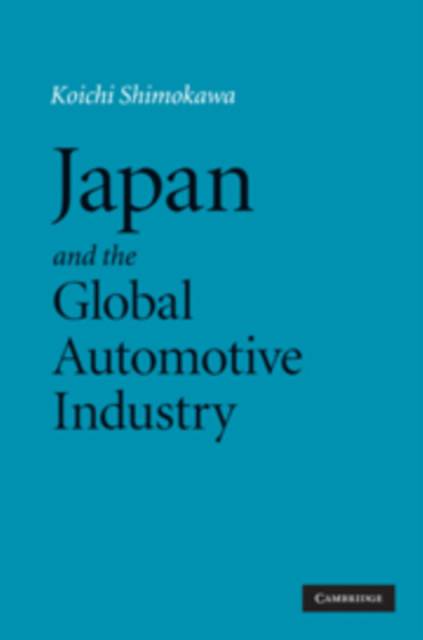
The Japanese automotive industry enjoyed spectacular success in the 1980s. This was largely due to the so-called 'Lean Production System' - the combination of an efficient production system, an effective supplier system, and a product development system. In the 1990s the industry fell on hard times because of the Japanese asset price bubble and extreme currency appreciation. In this book, eminent industry specialist Koichi Shimokawa draws on his thirty years of research and fieldwork with Japanese and American firms, to show how the Japanese automotive industry has managed to recover from this difficult period. He shows how firms like Toyota were able to transfer Japanese systems to overseas plants and how they have changed in order to compete in increasingly globalized markets. In addition, the book also addresses the two major challenges to the current industry model: the rise of China and the environmental and energy supply situation.
Specificaties
Betrokkenen
- Auteur(s):
- Uitgeverij:
Inhoud
- Aantal bladzijden:
- 352
- Taal:
- Engels
Eigenschappen
- Productcode (EAN):
- 9780521866873
- Verschijningsdatum:
- 3/06/2010
- Uitvoering:
- Hardcover
- Formaat:
- Ongenaaid / garenloos gebonden
- Afmetingen:
- 147 mm x 229 mm
- Gewicht:
- 680 g



Alleen bij Standaard Boekhandel
+ 426 punten op je klantenkaart van Standaard Boekhandel
AANGERADEN


Beoordelingen
We publiceren alleen reviews die voldoen aan de voorwaarden voor reviews. Bekijk onze voorwaarden voor reviews.