


- Afhalen na 1 uur in een winkel met voorraad
- Gratis thuislevering in België vanaf € 30
- Ruim aanbod met 7 miljoen producten
- Afhalen na 1 uur in een winkel met voorraad
- Gratis thuislevering in België vanaf € 30
- Ruim aanbod met 7 miljoen producten





€ 79,45
+ 158 punten
Omschrijving
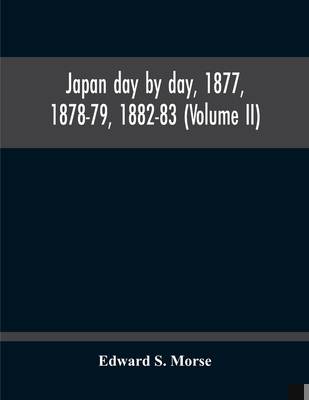
A vivid eyewitness record of a nation remaking itself. Daily notes reveal Japan's transformation. Edward S. Morse's Japan Day by Day, Volume II gathers the author's Victorian era journals from 1877, 1878-79 and 1882-83 into a textured nineteenth century travelogue and historical memoir collection. Morse writes with practical curiosity and quiet precision, recording daily life in Japan and the subtle friction when east meets west - cross-cultural observations that will steady the attention of both armchair travellers and scholars. For the reader, the value is immediate: intimate routine and the larger social shifts of Meiji period Japan laid out in prose that reads like letters home and field notes by turns. Morse's blend of observational detail and reflective distance creates prose that is at once documentary and quietly lyrical, equally rewarding for armchair travellers and those seeking an academic research resource. Taken together, Morse's journals form an invaluable record of 1800s Asia exploration and the cultural negotiations of the early Meiji era. As a historical memoir collection and a piece of classic travel literature, the volume supplies primary-source material for academic research while remaining approachable for casual readers and Japan history enthusiasts. Collectors of Victorian era journals will value the book's archival gaze; armchair travellers will savour its steady, day-by-day account of ordinary lives and public change. Its significance is plain: eyewitness testimony of an era when east met west, recorded with the practised curiosity of a scientist and the restraint of a thoughtful observer. Quiet, precise, and often unexpectedly frank, Morse's notes form a connective tissue between diplomatic histories and popular impressions, making this volume indispensable to anyone tracing the pathways of nineteenth-century contact and exchange. Republished by Alpha Editions in a careful modern edition, this volume preserves the spirit of the original while making it effortless to enjoy today - a heritage title prepared for readers and collectors alike.
Specificaties
Betrokkenen
- Auteur(s):
- Uitgeverij:
Inhoud
- Aantal bladzijden:
- 460
- Taal:
- Engels
Eigenschappen
- Productcode (EAN):
- 9789354210228
- Verschijningsdatum:
- 5/11/2020
- Uitvoering:
- Paperback
- Formaat:
- Trade paperback (VS)
- Afmetingen:
- 216 mm x 279 mm
- Gewicht:
- 1056 g


Alleen bij Standaard Boekhandel
+ 158 punten op je klantenkaart van Standaard Boekhandel
Cadeau

AANGERADEN


Beoordelingen
We publiceren alleen reviews die voldoen aan de voorwaarden voor reviews. Bekijk onze voorwaarden voor reviews.