


- Afhalen na 1 uur in een winkel met voorraad
- Gratis thuislevering in België vanaf € 30
- Ruim aanbod met 7 miljoen producten
- Afhalen na 1 uur in een winkel met voorraad
- Gratis thuislevering in België vanaf € 30
- Ruim aanbod met 7 miljoen producten





€ 109,95
+ 219 punten
Omschrijving
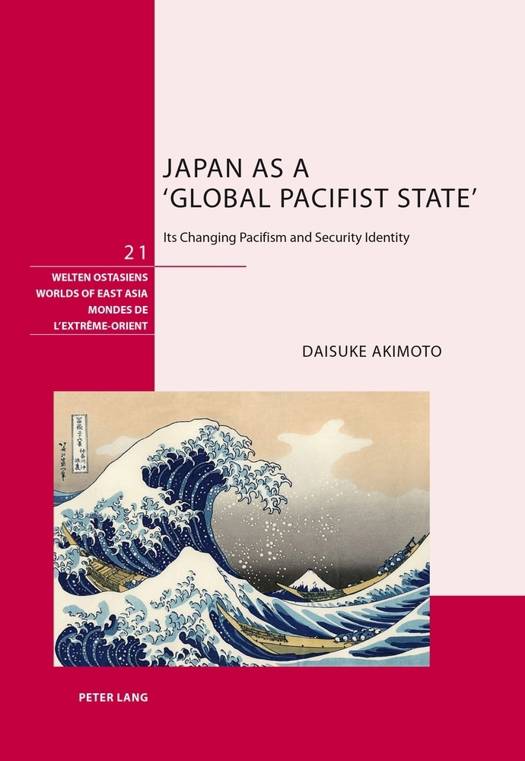
This book examines Japan's changing pacifism and its implications for Japan's security identity from 1945 to the present. To examine the shift in Japanese pacifism, this research employs the concept of 'negative pacifism' (Article 9 of the Japanese Constitution) and 'positive pacifism' (the Preamble of the Constitution) as an analytical framework. To analyse multiple factors which facilitated the shift in Japan's pacifism, this study applies 'analytical eclecticism' and integrates the analytical framework (negative-positive pacifism) with orthodox international relations theories and approaches. In an application of analytical eclecticism, the author proposes four theoretical models of Japan's security identity: (a) 'pacifist state' (classical liberalism/negative pacifism); (b) 'UN peacekeeper' (neo-liberalism/positive pacifism); (c) 'normal state' (classical realism/domestic pressure); and (d) 'US ally' (neo-realism/external-structural pressure). In addition to the four basic models above, this book attempts to reveal Japan's 'core security identity' as a 'global pacifist state'.
Specificaties
Betrokkenen
- Auteur(s):
- Uitgeverij:
Inhoud
- Aantal bladzijden:
- 286
- Taal:
- Engels
- Reeks:
- Reeksnummer:
- nr. 21
Eigenschappen
- Productcode (EAN):
- 9783034313803
- Verschijningsdatum:
- 18/11/2013
- Uitvoering:
- Hardcover
- Formaat:
- Ongenaaid / garenloos gebonden
- Afmetingen:
- 163 mm x 231 mm
- Gewicht:
- 566 g



Alleen bij Standaard Boekhandel
+ 219 punten op je klantenkaart van Standaard Boekhandel
Cadeau

AANGERADEN


Beoordelingen
We publiceren alleen reviews die voldoen aan de voorwaarden voor reviews. Bekijk onze voorwaarden voor reviews.