


- Afhalen na 1 uur in een winkel met voorraad
- Gratis thuislevering in België vanaf € 30
- Ruim aanbod met 7 miljoen producten
- Afhalen na 1 uur in een winkel met voorraad
- Gratis thuislevering in België vanaf € 30
- Ruim aanbod met 7 miljoen producten





€ 136,95
+ 273 punten
Omschrijving
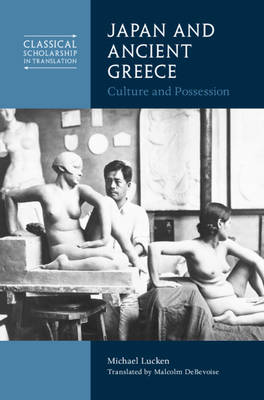
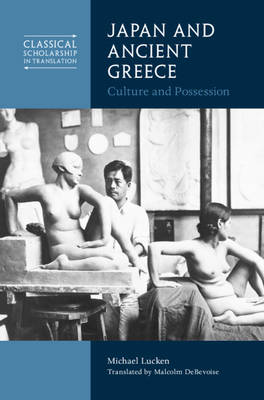
Japan and ancient Greece. Placed side by side, these two concepts give the impression of something very strange, a sort of chimera - half Apollo, half samurai; half Venus, half geisha - set on a ground that is at once white and blue like the Cyclades, dark green and vermillion like Shintō shrines. How could two countries so distant from each other be joined together to form a coherent image, to give birth to a meaningful concept? In this groundbreaking study - translated into English for the first time - Michael Lucken analyses the manifold ways in which Japan has adopted and engaged with ancient Greece in the period from the Meiji restoration to the present. This invaluable and timely volume not only demonstrates that the influence of ancient Greece has permeated all aspects of Japanese public and cultural life, but ultimately illustrates that the reception of Classics is a global phenomenon.
Specificaties
Betrokkenen
- Auteur(s):
- Vertaler(s):
- Uitgeverij:
Inhoud
- Aantal bladzijden:
- 226
- Taal:
- Engels
- Reeks:
Eigenschappen
- Productcode (EAN):
- 9781009528696
- Verschijningsdatum:
- 31/07/2026
- Uitvoering:
- Hardcover
- Formaat:
- Genaaid


Alleen bij Standaard Boekhandel
+ 273 punten op je klantenkaart van Standaard Boekhandel
Cadeau

AANGERADEN


Beoordelingen
We publiceren alleen reviews die voldoen aan de voorwaarden voor reviews. Bekijk onze voorwaarden voor reviews.