


- Afhalen na 1 uur in een winkel met voorraad
- Gratis thuislevering in België vanaf € 30
- Ruim aanbod met 7 miljoen producten
- Afhalen na 1 uur in een winkel met voorraad
- Gratis thuislevering in België vanaf € 30
- Ruim aanbod met 7 miljoen producten





Omschrijving
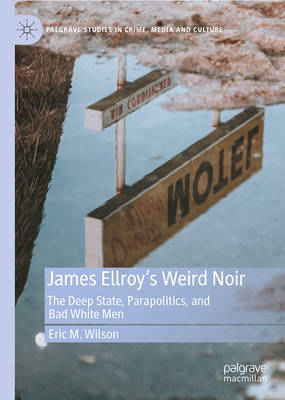
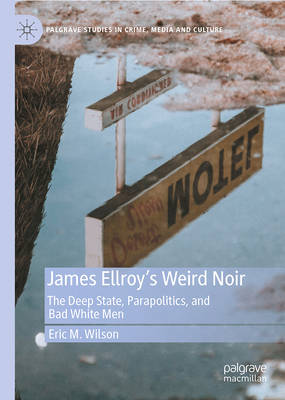
This book attempts to link the entirety of James Ellroy's work to major political trends, both historical and contemporary, in critical theory, as a unique, compelling deep-dive. Ellroy's crime fiction provides valuable insights into current trends of a disturbing, and possibly dangerous, nature. It analyzes the contestable political, social, and moral content of Ellroy's writings through the interpretative lenses of established political and literary theorists--in this instance, Frantz Fanon, Achille Mbembe, Paul Virilio, Carl Schmitt, and Walter Benjamin. The text assumes the form of an exegesis on the subversive potentialities of Ellroy's writings for what is understood as both the Left and the Right. But this formal exegesis is read against a second one that subliminally relates the critical interpretations of the first to certain difficult to articulate trends in the contemporary zeitgeist that have become even more pronounced following the U.S. federal election in November, 2024. It also implicitly suggests that traditional liberal democracy is ultimately incapable of resolving seemingly interminable political, social, and cultural crises within what is in essence a continental settler-colonial state. This book hopes to demonstrate the relevance of radical and cultural criminology to wider areas of contemporary political and cultural concern.
Specificaties
Betrokkenen
- Auteur(s):
- Uitgeverij:
Inhoud
- Aantal bladzijden:
- 280
- Taal:
- Engels
- Reeks:
Eigenschappen
- Productcode (EAN):
- 9783032241849
- Verschijningsdatum:
- 21/06/2026
- Uitvoering:
- Hardcover
- Formaat:
- Genaaid
- Afmetingen:
- 148 mm x 210 mm


Alleen bij Standaard Boekhandel
Cadeau

AANGERADEN


Beoordelingen
We publiceren alleen reviews die voldoen aan de voorwaarden voor reviews. Bekijk onze voorwaarden voor reviews.