

- Afhalen na 1 uur in een winkel met voorraad
- Gratis thuislevering in België vanaf € 30
- Ruim aanbod met 7 miljoen producten
- Afhalen na 1 uur in een winkel met voorraad
- Gratis thuislevering in België vanaf € 30
- Ruim aanbod met 7 miljoen producten





Omschrijving
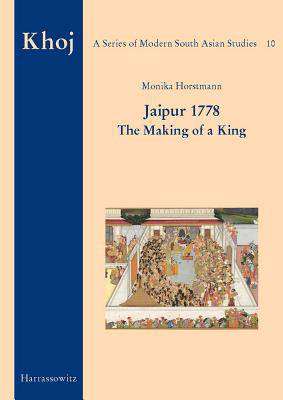
Jaipur 1778 narrates the interregnum concluded with the royal consecration of Pratapsingh (1778-1803). Over the period of a month, the new king became vested with the power of symbols that legitimated his dynasty. To the extent that this was a process taking place in the public space, it also confirmed the symbolic structure of the two royal residences involved. Monika Horstmann's book examines the history of those symbols and their human agents and the public ritual performed. The "Kingdom of Jaipur", "Funeral and Mourning", "Processions" as well as the "Royal Consecration" are analysed. A concluding chapter addresses the functional change inherent in a royal consecration that took place in Jaipur in the year 2011, at a time when Indian kingship had ceased to be functional for about half a century. Furthermore the translation of the court record of the interregnum and royal consecration of Maharaja Pratapsingh in 1778, the main database for the book, is given in the appendix.
Specificaties
Betrokkenen
- Auteur(s):
- Uitgeverij:
Inhoud
- Aantal bladzijden:
- 212
- Taal:
- Engels
Eigenschappen
- Productcode (EAN):
- 9783447068321
- Verschijningsdatum:
- 3/04/2013
- Uitvoering:
- Paperback
- Formaat:
- Trade paperback (VS)
- Afmetingen:
- 170 mm x 239 mm
- Gewicht:
- 417 g


Alleen bij Standaard Boekhandel
+ 278 punten op je klantenkaart van Standaard Boekhandel
CADEAU


Beoordelingen
We publiceren alleen reviews die voldoen aan de voorwaarden voor reviews. Bekijk onze voorwaarden voor reviews.