


- Afhalen na 1 uur in een winkel met voorraad
- Gratis thuislevering in België vanaf € 30
- Ruim aanbod met 7 miljoen producten
- Afhalen na 1 uur in een winkel met voorraad
- Gratis thuislevering in België vanaf € 30
- Ruim aanbod met 7 miljoen producten





€ 88,95
+ 177 punten
Omschrijving
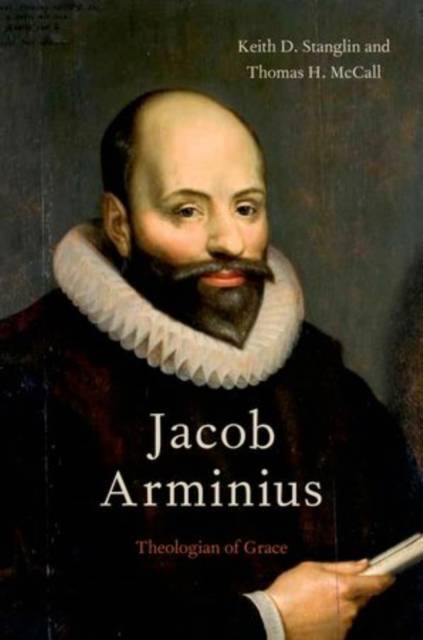
Jacob Arminius (1559-1609) is one of the few theologians in the history of Christianity who has lent his name to a significant theological movement. The dissemination of his thought throughout Europe, Great Britain, and North America, along with the appeal of his ideas in current Protestant evangelical spheres (whether rightly understood or misunderstood), continue to attract both scholarly and popular attention. Keith D. Stanglin and Thomas H. McCall's Jacob Arminius offers a constructive synthesis of the current state of Arminius studies. There is a chasm separating technical, scholarly discussions of Arminius and popular-level appeals to his thought. The authors seek to bridge the scholarly and general discussions, providing an account based on interaction with all the primary sources and latest secondary research that will be helpful to the scholar as well as comprehensible and relevant to the undergraduate student.
Specificaties
Betrokkenen
- Auteur(s):
- Uitgeverij:
Inhoud
- Aantal bladzijden:
- 258
- Taal:
- Engels
Eigenschappen
- Productcode (EAN):
- 9780199755677
- Verschijningsdatum:
- 22/10/2012
- Uitvoering:
- Paperback
- Formaat:
- Trade paperback (VS)
- Afmetingen:
- 155 mm x 231 mm
- Gewicht:
- 317 g


Alleen bij Standaard Boekhandel
+ 177 punten op je klantenkaart van Standaard Boekhandel
Cadeau

AANGERADEN


Beoordelingen
We publiceren alleen reviews die voldoen aan de voorwaarden voor reviews. Bekijk onze voorwaarden voor reviews.