


- Afhalen na 1 uur in een winkel met voorraad
- Gratis thuislevering in België vanaf € 30
- Ruim aanbod met 7 miljoen producten
- Afhalen na 1 uur in een winkel met voorraad
- Gratis thuislevering in België vanaf € 30
- Ruim aanbod met 7 miljoen producten





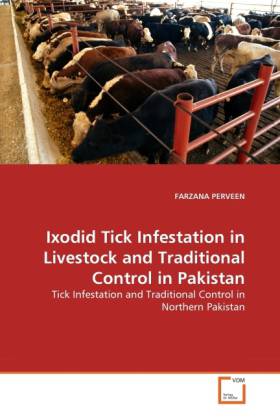
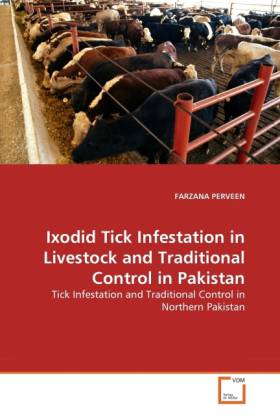
Ixodid Tick Infestation in Livestock and Traditional Control in Pakistan
Tick Infestation and Traditional Control in Northern Pakistan
Farzana Perveen
Paperback | Engels
€ 58,45
+ 116 punten
Omschrijving
Infestation and identification of prevalent genera of Ixodid ticks in farm animals and traditional control at two districts of Northern Pakistan were studied. Data was collected from field/farm visited and interviewing farmers. Identification of Ixidid ticks was carried out in Department of Zoology. A total of 992 animals including 435 buffaloes, 315 cattle, 147 goats, 38 camels, 33 sheep, and 24 donkeys were studied. The animals, in order of decreasing susceptibility and infestation rate, were: 35.87%(cows) 28.9% (camel) 27.3% (sheep) 24.13% (buffalo) 23.13% (goat) 4.2% (donkey). The order of prevalent of three genera was: HyalommaBoophilusAmblyoma found in the study areas. Out of 3009 collected Ixodid ticks, 1255 (41.7%) were male and 1754 (58.3%) were female ticks. An emerging traditional remedy (23.3%) for ticks' elimination is poultry keeping. The good management practices, education and awareness of the livestock holders is the prime importance in reducing ticks infestation in animals. The farmers that once were crazy to use chemical acaricides are reverting back to ethno-veterinary remedies.
Specificaties
Betrokkenen
- Auteur(s):
- Uitgeverij:
Inhoud
- Aantal bladzijden:
- 124
- Taal:
- Engels
Eigenschappen
- Productcode (EAN):
- 9783639192810
- Verschijningsdatum:
- 3/09/2010
- Uitvoering:
- Paperback
- Afmetingen:
- 152 mm x 229 mm
- Gewicht:
- 191 g


Alleen bij Standaard Boekhandel
+ 116 punten op je klantenkaart van Standaard Boekhandel
Cadeau

AANGERADEN


Beoordelingen
We publiceren alleen reviews die voldoen aan de voorwaarden voor reviews. Bekijk onze voorwaarden voor reviews.