


- Afhalen na 1 uur in een winkel met voorraad
- Gratis thuislevering in België vanaf € 30
- Ruim aanbod met 7 miljoen producten
- Afhalen na 1 uur in een winkel met voorraad
- Gratis thuislevering in België vanaf € 30
- Ruim aanbod met 7 miljoen producten





€ 48,95
+ 97 punten
Omschrijving
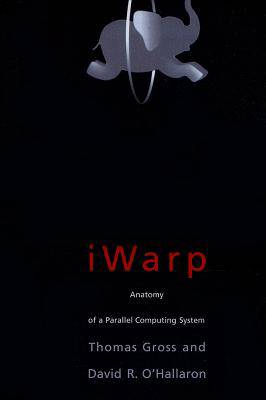
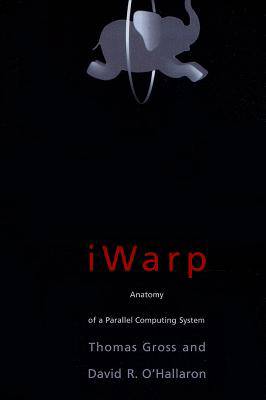
This book describes the complete iWarp system, from instruction-level parallelism to final parallel applications. The authors present a range of issues that must be considered to get a real system into practice.foreword by Gordon Bell and afterword by H.T. Kung Although researchers have proposed many mechanisms and theories for parallel systems, only a few have actually resulted in working computing platforms. The iWarp is an experimental parallel system that was designed and built jointly by Carnegie Mellon University and Intel Corporation. The system is based on the idea of integrating a VLIW processor and a sophisticated fine-grained communication system on a single chip. This book describes the complete iWarp system, from instruction-level parallelism to final parallel applications. The authors present a range of issues that must be considered to get a real system into practice. They also provide a start-to-finish history of the project, including what was done right and what was done wrong, that will be of interest to anyone who studies or builds computer systems.
Specificaties
Betrokkenen
- Auteur(s):
- Uitgeverij:
Inhoud
- Aantal bladzijden:
- 488
- Taal:
- Engels
- Reeks:
Eigenschappen
- Productcode (EAN):
- 9780262519120
- Verschijningsdatum:
- 11/03/1998
- Uitvoering:
- Paperback
- Formaat:
- Trade paperback (VS)
- Afmetingen:
- 152 mm x 226 mm
- Gewicht:
- 680 g


Alleen bij Standaard Boekhandel
+ 97 punten op je klantenkaart van Standaard Boekhandel
Cadeau

AANGERADEN


Beoordelingen
We publiceren alleen reviews die voldoen aan de voorwaarden voor reviews. Bekijk onze voorwaarden voor reviews.