


- Afhalen na 1 uur in een winkel met voorraad
- Gratis thuislevering in België vanaf € 30
- Ruim aanbod met 7 miljoen producten
- Afhalen na 1 uur in een winkel met voorraad
- Gratis thuislevering in België vanaf € 30
- Ruim aanbod met 7 miljoen producten





€ 29,00
+ 58 punten
Omschrijving
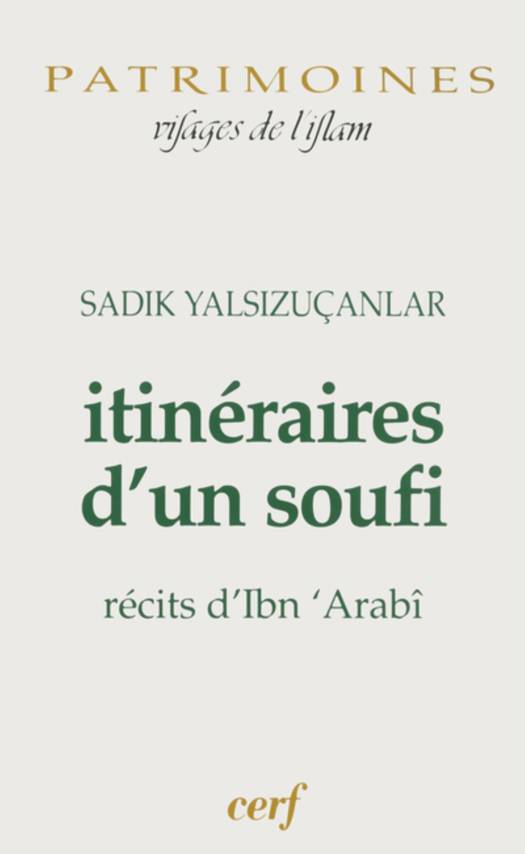
Atypique, Ibn'Arabi certes le fut. Ce héros de roman bouscule les lois du genre : en fouiller la psychologie, couleur locale incluse, c'est manquer le mouvement perpétuel d'un coeur qui embrasse le Tout et se fait voyant. Cet esprit infatigable, mû par tous les talents, vers et prose confondus, qui précède de trois bons siècles la Renaissance (Murcie, Andalousie, 1165 — Damas, 1240) déconcerte le biographe, avec ses semelles de vent et son Livre sacré à la main. Ce défi, un auteur turc de notre temps, le relève. Sadik Yalsizuçanlar, bannissant l'érudition, choisit de dérouler, mêlant la première et la troisième personnes, ce fil entêté de la recherche du Vrai, de la rencontre avec Averroès à Cordoue — l'ami de la famille — à l'appel de l'immensité d'un monde arabe quasi infini, sans oublier la formation acquise auprès d'une mère spirituelle fort importante. Cette Méditerranée jadis vouée à Ulysse reste le lieu des nostalgies, mais le soufi les transfigure, grâce à cette présence-absence que l'islam caractérise si bien comme un entre-deux, assumant ici-bas formes et signes et, de façon « imaginaire », la sainteté (lui-même est dit « Sceau de la saintet?). La poétique du déchiffrage du monde (huit cent cinquante ouvrages sont à son actif) cohabite constamment avec la pratique d'une ascension systématique. Ces « Itinéraires » disent les aventures de l'esprit s'échappant de la matière. La lettre, le mot y sont les instruments d'une autre cabale : la relation quasi directe de la créature et de Dieu est affaire de langage, d'amour, de contemplation — une seule et même chose. Dieu n'est pas nouménal, le phénomène en soi est Dieu même. La doctrine, tout compte fait — infinie puissance de la dialectique —, dit la présence absolue : ne serait-ce que parce qu'on peut être là et ailleurs, autrefois ou demain et maintenant, la philosophie de ce fils de Platon s'éclaire d'un jour nouveau, soudain très surprenante, et très vivifiante, pour notre rationalisme.
--
Ibn 'Arabi was atypical, if nothing else. This romantic hero swept aside all the laws of the genre. To focus on his psychology, his local specificities, would be to miss the perpetual motion of a heart that was All-embracing and that of a visionary. This indefatigable spirit, spurred on by his many talents (including those of verse and prose), and who preceded the Renaissance by a good three hundred years (Murcie, Andalousie, 1165 — Damas, 1240), is a daunting prospect to any biographer, with his constant wanderings, the sacred Book firmly in his grasp. However, a Turkish author of our times has taken up this challenge. Casting aside erudition and employing a mixture of first and third-person narrative, Sadik Yalsizuçanlar has chosen undertake an obstinate quest for Truth, from Ibn ‘Arabi's encounter with Averroes - a family friend - at Cordoba, to the call of an immense, almost infinite, Arab world not forgetting the highly important training he acquired from his very spiritual mother. The Mediterranean Sea, once the domain of Ulysses, was still a place of great nostalgia, but the Sufi transformed it thanks to that ‘presence-absence' characterised by Islam as an ‘interspace', assuming forms and signs here on Earth and, in an ‘imaginary' fashion, sainthood (Ibn ‘Arabi himself having coined the phrase ‘Seal of the Saints'). His poetic deciphering of the world (he produced eight hundred and fifty books) is in constant cohabitation with his practice of systemic ascension. These Itinéraires recount the adventures of a spirit as it frees itself from its material surroundings. The letters and words are the instruments of another cabal: the almost direct relationship between God and his creature is a matter of language, love and contemplation — all one and the same. God is not noumenal the phenomenon in itself is God. The doctrine, which is, after all, the infinite power of dialectics, refers to the absolute presence: as it is possible to be both here and elsewhere, as well as in the past, present and future, might not the philosophy of this son of Plato shed new light on our rationalism in the most surprising and invigorating fashion?
--
Ibn 'Arabi was atypical, if nothing else. This romantic hero swept aside all the laws of the genre. To focus on his psychology, his local specificities, would be to miss the perpetual motion of a heart that was All-embracing and that of a visionary. This indefatigable spirit, spurred on by his many talents (including those of verse and prose), and who preceded the Renaissance by a good three hundred years (Murcie, Andalousie, 1165 — Damas, 1240), is a daunting prospect to any biographer, with his constant wanderings, the sacred Book firmly in his grasp. However, a Turkish author of our times has taken up this challenge. Casting aside erudition and employing a mixture of first and third-person narrative, Sadik Yalsizuçanlar has chosen undertake an obstinate quest for Truth, from Ibn ‘Arabi's encounter with Averroes - a family friend - at Cordoba, to the call of an immense, almost infinite, Arab world not forgetting the highly important training he acquired from his very spiritual mother. The Mediterranean Sea, once the domain of Ulysses, was still a place of great nostalgia, but the Sufi transformed it thanks to that ‘presence-absence' characterised by Islam as an ‘interspace', assuming forms and signs here on Earth and, in an ‘imaginary' fashion, sainthood (Ibn ‘Arabi himself having coined the phrase ‘Seal of the Saints'). His poetic deciphering of the world (he produced eight hundred and fifty books) is in constant cohabitation with his practice of systemic ascension. These Itinéraires recount the adventures of a spirit as it frees itself from its material surroundings. The letters and words are the instruments of another cabal: the almost direct relationship between God and his creature is a matter of language, love and contemplation — all one and the same. God is not noumenal the phenomenon in itself is God. The doctrine, which is, after all, the infinite power of dialectics, refers to the absolute presence: as it is possible to be both here and elsewhere, as well as in the past, present and future, might not the philosophy of this son of Plato shed new light on our rationalism in the most surprising and invigorating fashion?
Specificaties
Betrokkenen
- Auteur(s):
- Vertaler(s):
- Uitgeverij:
Inhoud
- Aantal bladzijden:
- 299
- Taal:
- Frans
Eigenschappen
- Productcode (EAN):
- 9782204097352
- Verschijningsdatum:
- 21/02/2013
- Uitvoering:
- Paperback
- Afmetingen:
- 136 mm x 215 mm
- Gewicht:
- 380 g


Alleen bij Standaard Boekhandel
+ 58 punten op je klantenkaart van Standaard Boekhandel
Cadeau

AANGERADEN


Beoordelingen
We publiceren alleen reviews die voldoen aan de voorwaarden voor reviews. Bekijk onze voorwaarden voor reviews.