


- Afhalen na 1 uur in een winkel met voorraad
- Gratis thuislevering in België vanaf € 30
- Ruim aanbod met 7 miljoen producten
- Afhalen na 1 uur in een winkel met voorraad
- Gratis thuislevering in België vanaf € 30
- Ruim aanbod met 7 miljoen producten




€ 10,40
+ 10 punten
Uitvoering
Omschrijving
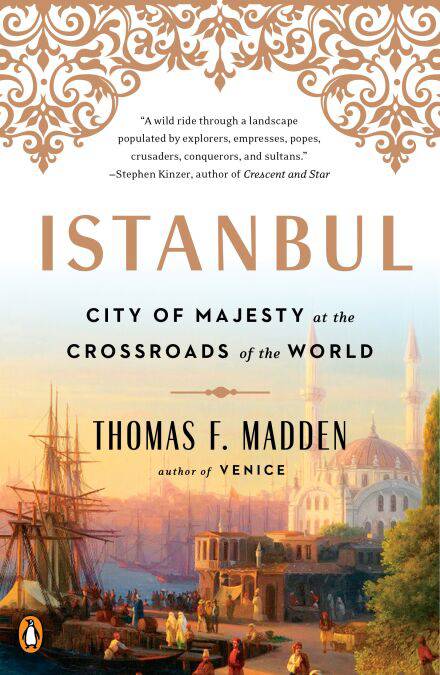
For more than two millennia Istanbul has stood at the crossroads of the world, perched at the very tip of Europe, gazing across at the shores of Asia. The history of this city—known as Byzantium, then Constantinople, now Istanbul—is at once glorious, outsized, and astounding. Founded by the Greeks, its location blessed it as a center for trade but also made it a target of every empire in history, from Alexander the Great and his Macedonian Empire, to the Romans and later the Ottomans.
At its most spectacular, Istanbul was re-founded by Emperor Constantine I as New Rome, the capital of the eastern Roman Empire. He dramatically expanded the city, filling it with artistic treasures, and adorning the streets with opulent palaces. Constantine built new walls around it all—walls that were truly impregnable and preserved power, wealth, and withstood any aggressor—walls that still stand for tourists to visit.
From its ancient past to the present, we meet the city through its ordinary citizens—the Jews, Muslims, Italians, Greeks, and Russians who used the famous baths and walked the bazaars, and the rulers who built it up and then destroyed it, including Mustafa Kemal Ataturk, the man who christened the city "Istanbul" in 1930. Thomas Madden's entertaining narrative brings to life the city we see today, including the rich splendor of the churches and monasteries that spread throughout the city.
Istanbul draws on a lifetime of study and the latest scholarship, transporting readers to a city of unparalleled importance and majesty that holds the key to understanding modern civilization. In the words of Napoleon Bonaparte, "If the Earth were a single state, Istanbul would be its capital."
At its most spectacular, Istanbul was re-founded by Emperor Constantine I as New Rome, the capital of the eastern Roman Empire. He dramatically expanded the city, filling it with artistic treasures, and adorning the streets with opulent palaces. Constantine built new walls around it all—walls that were truly impregnable and preserved power, wealth, and withstood any aggressor—walls that still stand for tourists to visit.
From its ancient past to the present, we meet the city through its ordinary citizens—the Jews, Muslims, Italians, Greeks, and Russians who used the famous baths and walked the bazaars, and the rulers who built it up and then destroyed it, including Mustafa Kemal Ataturk, the man who christened the city "Istanbul" in 1930. Thomas Madden's entertaining narrative brings to life the city we see today, including the rich splendor of the churches and monasteries that spread throughout the city.
Istanbul draws on a lifetime of study and the latest scholarship, transporting readers to a city of unparalleled importance and majesty that holds the key to understanding modern civilization. In the words of Napoleon Bonaparte, "If the Earth were a single state, Istanbul would be its capital."
Specificaties
Betrokkenen
- Auteur(s):
- Uitgeverij:
Inhoud
- Aantal bladzijden:
- 400
- Taal:
- Engels
Eigenschappen
- Productcode (EAN):
- 9780698140585
- Verschijningsdatum:
- 21/11/2016
- Uitvoering:
- E-book
- Beveiligd met:
- Adobe DRM
- Formaat:
- ePub


Alleen bij Standaard Boekhandel
+ 10 punten op je klantenkaart van Standaard Boekhandel
Cadeau

AANGERADEN


Beoordelingen
We publiceren alleen reviews die voldoen aan de voorwaarden voor reviews. Bekijk onze voorwaarden voor reviews.