


- Afhalen na 1 uur in een winkel met voorraad
- Gratis thuislevering in België vanaf € 30
- Ruim aanbod met 7 miljoen producten
- Afhalen na 1 uur in een winkel met voorraad
- Gratis thuislevering in België vanaf € 30
- Ruim aanbod met 7 miljoen producten





€ 19,95
+ 39 punten
Omschrijving
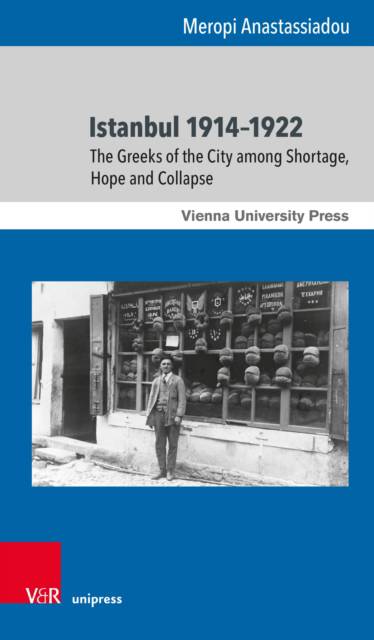
Istanbul's population greatly suffered during WWI. Sanitary problems, pauperization, mortality rise deteriorated everyday life. The flows of refugees and military mobilization were major issues. Paradoxically, its Greek orthodox community increased in 1914-1918. After the Mudros Armistice (October 1918), it could hope the Ottoman Empire's dismemberment and the return of Constantinople to the Greek fold. The events that followed up and led to the birth of new Turkey would put an end to their expectations. The deterioration of everyday material life, the loyalty of Istanbul Greeks to the Ottoman State in wartime, ordinary people's position towards Hellenic irredentism are the main themes explored through the archives of Greek orthodox parishes of the city and those of the Ecumenical Patriarchate of Constantinople.
Specificaties
Betrokkenen
- Auteur(s):
- Uitgeverij:
Inhoud
- Aantal bladzijden:
- 100
- Taal:
- Engels
- Reeks:
- Reeksnummer:
- nr. 4
Eigenschappen
- Productcode (EAN):
- 9783847119395
- Verschijningsdatum:
- 9/02/2026
- Uitvoering:
- Paperback
- Formaat:
- Trade paperback (VS)
- Afmetingen:
- 122 mm x 210 mm
- Gewicht:
- 439 g


Alleen bij Standaard Boekhandel
+ 39 punten op je klantenkaart van Standaard Boekhandel
Cadeau

AANGERADEN


Beoordelingen
We publiceren alleen reviews die voldoen aan de voorwaarden voor reviews. Bekijk onze voorwaarden voor reviews.