


- Afhalen na 1 uur in een winkel met voorraad
- Gratis thuislevering in België vanaf € 30
- Ruim aanbod met 7 miljoen producten
- Afhalen na 1 uur in een winkel met voorraad
- Gratis thuislevering in België vanaf € 30
- Ruim aanbod met 7 miljoen producten





€ 305,45
+ 610 punten
Eenvoudig bestellen
Veilig betalen


Gratis thuislevering vanaf € 30 (via bpost)
Gratis levering in je Standaard Boekhandel
Omschrijving
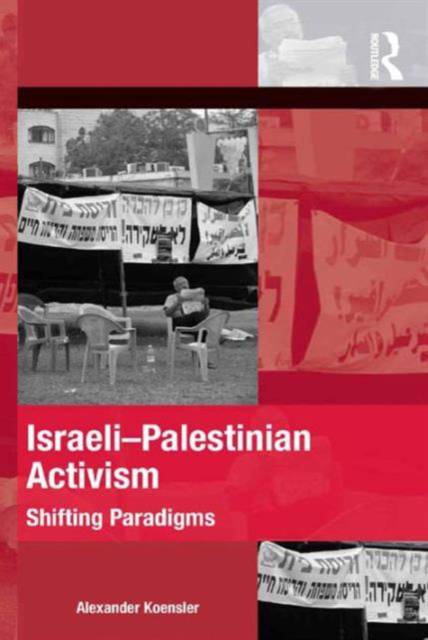
When do words and actions empower? When do they betray? Based on ethnographic fieldwork, this volume tracks the repercussions of advocacy activism against house demolitions in 'unrecognised' Arab-Bedouin villages in Israel's southern 'internal frontier'. Koensler outlines an ethnographic approach for the study of social movements that follows multiple relations around mobilisations rather than studying activism in itself. This perspective thus becomes relevant for scholars and activists engaged with the Israeli-Palestinian conflict and those interested in global rights discourses.
Specificaties
Betrokkenen
- Auteur(s):
- Uitgeverij:
Inhoud
- Aantal bladzijden:
- 206
- Taal:
- Engels
- Reeks:
Eigenschappen
- Productcode (EAN):
- 9781472439451
- Verschijningsdatum:
- 28/02/2015
- Uitvoering:
- Hardcover
- Formaat:
- Genaaid
- Afmetingen:
- 156 mm x 234 mm
- Gewicht:
- 467 g



Alleen bij Standaard Boekhandel
+ 610 punten op je klantenkaart van Standaard Boekhandel
CADEAU

AANGERADEN


Beoordelingen
We publiceren alleen reviews die voldoen aan de voorwaarden voor reviews. Bekijk onze voorwaarden voor reviews.