


- Afhalen na 1 uur in een winkel met voorraad
- Gratis thuislevering in België vanaf € 30
- Ruim aanbod met 7 miljoen producten
- Afhalen na 1 uur in een winkel met voorraad
- Gratis thuislevering in België vanaf € 30
- Ruim aanbod met 7 miljoen producten





€ 38,45
+ 76 punten
Omschrijving
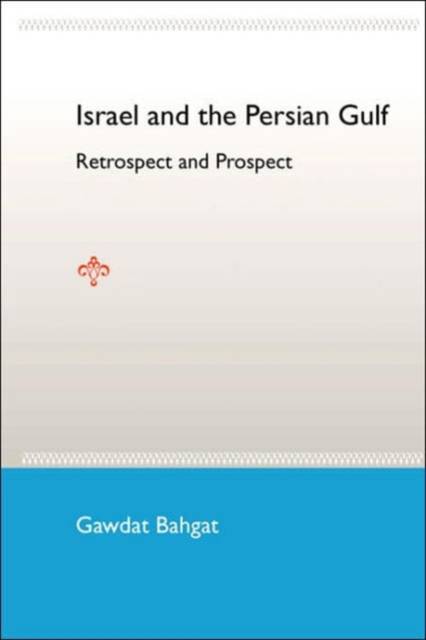
Despite the volume of literature on the Persian Gulf and the Arab-Israeli conflict, few analysts have sought to establish the connection between the Gulf and the Levant. Bahgat argues that peace between the Arabs and the Israelis and stability in the Persian Gulf are intertwined, and as developments in one region are echoed in the other a detente between the Persian Gulf states and Israel is essential to reach a lasting, comprehensive peace in the greater Middle East. Bahgat examines major economic, political, and strategic interactions among Tehran, Baghdad, and Riyadh on one side and Tel Aviv on the other to provide tentative assessments of the incipient changes in regional relations in the aftermath of Saddam and Arafat.
Specificaties
Betrokkenen
- Auteur(s):
- Uitgeverij:
Inhoud
- Aantal bladzijden:
- 192
- Taal:
- Engels
Eigenschappen
- Productcode (EAN):
- 9780813030739
- Verschijningsdatum:
- 31/12/2005
- Uitvoering:
- Paperback
- Formaat:
- Trade paperback (VS)
- Afmetingen:
- 152 mm x 229 mm
- Gewicht:
- 299 g


Alleen bij Standaard Boekhandel
+ 76 punten op je klantenkaart van Standaard Boekhandel
Cadeau

AANGERADEN


Beoordelingen
We publiceren alleen reviews die voldoen aan de voorwaarden voor reviews. Bekijk onze voorwaarden voor reviews.