


- Afhalen na 1 uur in een winkel met voorraad
- Gratis thuislevering in België vanaf € 30
- Ruim aanbod met 7 miljoen producten
- Afhalen na 1 uur in een winkel met voorraad
- Gratis thuislevering in België vanaf € 30
- Ruim aanbod met 7 miljoen producten




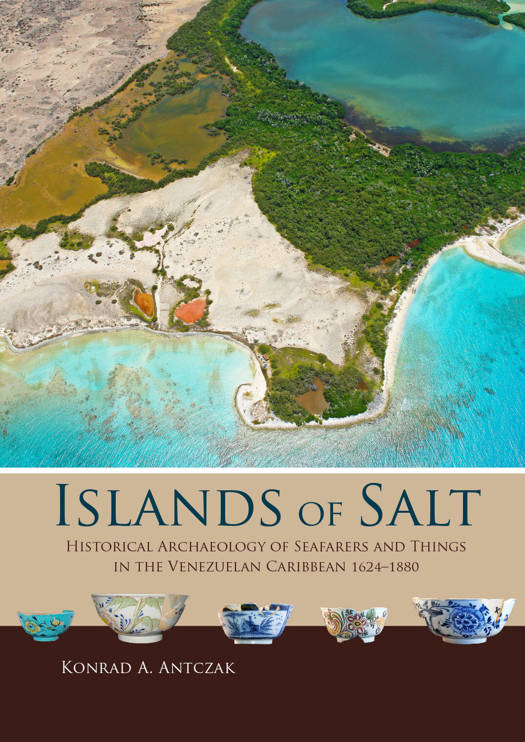
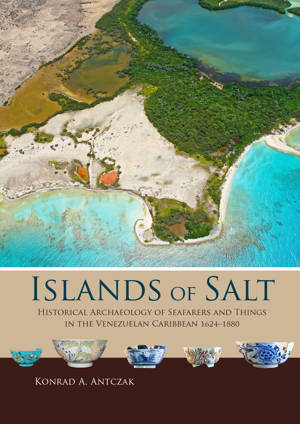
Islands of Salt
Historical Archaeology of Seafarers and Things in the Venezuelan Caribbean, 1624-1880
Konrad A Antczak
€ 180,00
+ 360 punten
Uitvoering
Omschrijving
The early-modern Venezuelan Caribbean did not lure seafarers with the saccharine delights of cane sugar but with the preserving qualities of solar sea salt. In this book, the historical archaeological study of this salty commodity offers a unique entryway into the hitherto unknown maritime mobilities and daily lives of the seafarers who camped at the saltpans of Venezuelan islands from the seventeenth to the late nineteenth centuries, cultivating and harvesting the white crystal of the sea.
For the first time, this study offers a comprehensive documentary history of the saltpans of La Tortuga Island and Cayo Sal in the Los Roques Archipelago, uncovering the surprising importance of their salt. Long-term archaeological excavations at the campsites by these saltpans have brought to light the plethora of material remains left behind by seafarers during their seasonal and temporary salt forays. The exhaustive analysis of the thousands of recovered things - pipes, punch bowls, plates, teapots, buttons, bones - contrasted with documentary evidence, not only enables us to understand where these things came from but also by whom they were used. By engaging the evidence through my theoretical framework of assemblages of practice, I demonstrate how seafarers and things were vibrantly entangled in the everyday assemblages of practice of salt cultivation, dining and drinking.
This multisited approach spanning 256 years, reveals that seafarers were fervent buyers of fashionable products, drinking hot tea from porcelain tea bowls, using colorful ceramic chamber pots for their hygienic needs and imbibing exotic rum punch by the scorching saltpans of the uninhabited Venezuelan islands. Intended for scholars, students and the interested public alike, this historical archaeological study positions humble seafarers in the limelight, not as the anonymous movers of international trade and facilitators of imperial interests, but as avid trans-imperial and extra-imperial consumers of the fruits of those very empires.
For the first time, this study offers a comprehensive documentary history of the saltpans of La Tortuga Island and Cayo Sal in the Los Roques Archipelago, uncovering the surprising importance of their salt. Long-term archaeological excavations at the campsites by these saltpans have brought to light the plethora of material remains left behind by seafarers during their seasonal and temporary salt forays. The exhaustive analysis of the thousands of recovered things - pipes, punch bowls, plates, teapots, buttons, bones - contrasted with documentary evidence, not only enables us to understand where these things came from but also by whom they were used. By engaging the evidence through my theoretical framework of assemblages of practice, I demonstrate how seafarers and things were vibrantly entangled in the everyday assemblages of practice of salt cultivation, dining and drinking.
This multisited approach spanning 256 years, reveals that seafarers were fervent buyers of fashionable products, drinking hot tea from porcelain tea bowls, using colorful ceramic chamber pots for their hygienic needs and imbibing exotic rum punch by the scorching saltpans of the uninhabited Venezuelan islands. Intended for scholars, students and the interested public alike, this historical archaeological study positions humble seafarers in the limelight, not as the anonymous movers of international trade and facilitators of imperial interests, but as avid trans-imperial and extra-imperial consumers of the fruits of those very empires.
Specificaties
Betrokkenen
- Auteur(s):
- Uitgeverij:
Inhoud
- Aantal bladzijden:
- 364
- Taal:
- Engels
- Reeks:
- Reeksnummer:
- nr. 6
- Geïllustreerd:
- Ja
Eigenschappen
- Productcode (EAN):
- 9789088908163
- Verschijningsdatum:
- 24/01/2020
- Uitvoering:
- Hardcover
- Formaat:
- Genaaid
- Afmetingen:
- 178 mm x 254 mm
- Gewicht:
- 1242 g


Alleen bij Standaard Boekhandel
+ 360 punten op je klantenkaart van Standaard Boekhandel

Beoordelingen
We publiceren alleen reviews die voldoen aan de voorwaarden voor reviews. Bekijk onze voorwaarden voor reviews.