


- Afhalen na 1 uur in een winkel met voorraad
- Gratis thuislevering in België vanaf € 30
- Ruim aanbod met 7 miljoen producten
- Afhalen na 1 uur in een winkel met voorraad
- Gratis thuislevering in België vanaf € 30
- Ruim aanbod met 7 miljoen producten





€ 5,77
+ 5 punten
Uitvoering
Omschrijving
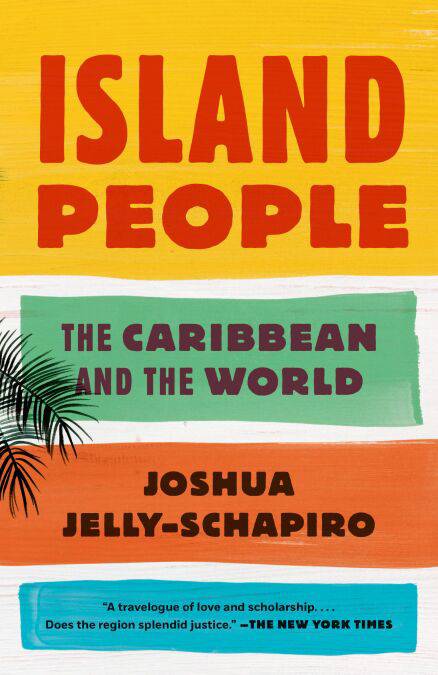
A masterwork of travel literature and of history: voyaging from Cuba to Jamaica, Puerto Rico to Trinidad, Haiti to Barbados, and islands in between, Joshua Jelly-Schapiro offers a kaleidoscopic portrait of each society, its culture and politics, connecting this region’s common heritage to its fierce grip on the world’s imagination.
From the moment Columbus gazed out from the Santa María's deck in 1492 at what he mistook for an island off Asia, the Caribbean has been subjected to the misunderstandings and fantasies of outsiders. Running roughshod over the place, they have viewed these islands and their inhabitants as exotic allure to be consumed or conquered. The Caribbean stood at the center of the transatlantic slave trade for more than three hundred years, with societies shaped by mass migrations and forced labor. But its people, scattered across a vast archipelago and separated by the languages of their colonizers, have nonetheless together helped make the modern world—its politics, religion, economics, music, and culture. Jelly-Schapiro gives a sweeping account of how these islands’ inhabitants have searched and fought for better lives. With wit and erudition, he chronicles this “place where globalization began,” and introduces us to its forty million people who continue to decisively shape our world.
From the moment Columbus gazed out from the Santa María's deck in 1492 at what he mistook for an island off Asia, the Caribbean has been subjected to the misunderstandings and fantasies of outsiders. Running roughshod over the place, they have viewed these islands and their inhabitants as exotic allure to be consumed or conquered. The Caribbean stood at the center of the transatlantic slave trade for more than three hundred years, with societies shaped by mass migrations and forced labor. But its people, scattered across a vast archipelago and separated by the languages of their colonizers, have nonetheless together helped make the modern world—its politics, religion, economics, music, and culture. Jelly-Schapiro gives a sweeping account of how these islands’ inhabitants have searched and fought for better lives. With wit and erudition, he chronicles this “place where globalization began,” and introduces us to its forty million people who continue to decisively shape our world.
Specificaties
Betrokkenen
- Auteur(s):
- Uitgeverij:
Inhoud
- Aantal bladzijden:
- 464
- Taal:
- Engels
Eigenschappen
- Productcode (EAN):
- 9780385349772
- Verschijningsdatum:
- 21/11/2016
- Uitvoering:
- E-book
- Beveiligd met:
- Adobe DRM
- Formaat:
- ePub



Alleen bij Standaard Boekhandel
+ 5 punten op je klantenkaart van Standaard Boekhandel
CADEAU


Beoordelingen
We publiceren alleen reviews die voldoen aan de voorwaarden voor reviews. Bekijk onze voorwaarden voor reviews.