


- Afhalen na 1 uur in een winkel met voorraad
- Gratis thuislevering in België vanaf € 30
- Ruim aanbod met 7 miljoen producten
- Afhalen na 1 uur in een winkel met voorraad
- Gratis thuislevering in België vanaf € 30
- Ruim aanbod met 7 miljoen producten





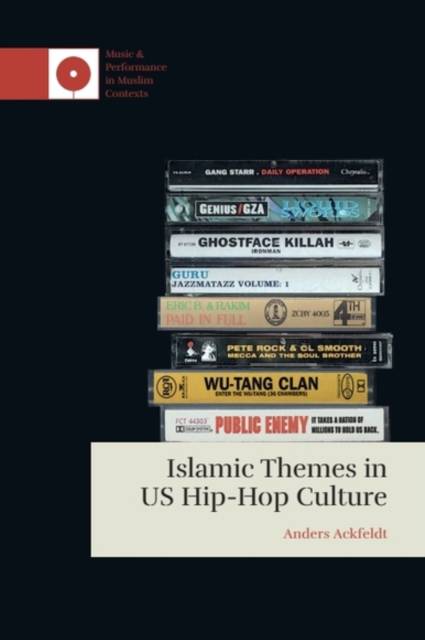
Islamic Themes in Us Hip-Hop Culture
Anders Ackfeldt
€ 125,95
+ 251 punten
Omschrijving
Islam has been a part of hip-hop culture since it sprang from New York's street culture in the 1970s. Today hip-hop has evolved into a truly global artform with a diversity of Muslim Islamic discourses expressed. Using tools from the field of social semiotics, this book examines how Islamic themes feature in US hip-hop culture, maintaining a particular awareness that both Muslims as well as non-Muslims participate in their production. The book also argues that there is a historical continuity in the use of Islamic semiotic resources in US musical culture that runs through the entirety of the 20th century and can be observed in gospel, blues and jazz. It is also often connected to African American religious initiatives and African American empowerment politics.
Specificaties
Betrokkenen
- Auteur(s):
- Uitgeverij:
Inhoud
- Aantal bladzijden:
- 216
- Taal:
- Engels
- Reeks:
Eigenschappen
- Productcode (EAN):
- 9781399537537
- Verschijningsdatum:
- 30/04/2025
- Uitvoering:
- Hardcover
- Formaat:
- Genaaid
- Afmetingen:
- 156 mm x 234 mm
- Gewicht:
- 480 g



Alleen bij Standaard Boekhandel
+ 251 punten op je klantenkaart van Standaard Boekhandel
Cadeau

AANGERADEN


Beoordelingen
We publiceren alleen reviews die voldoen aan de voorwaarden voor reviews. Bekijk onze voorwaarden voor reviews.