


- Afhalen na 1 uur in een winkel met voorraad
- Gratis thuislevering in België vanaf € 30
- Ruim aanbod met 7 miljoen producten
- Afhalen na 1 uur in een winkel met voorraad
- Gratis thuislevering in België vanaf € 30
- Ruim aanbod met 7 miljoen producten





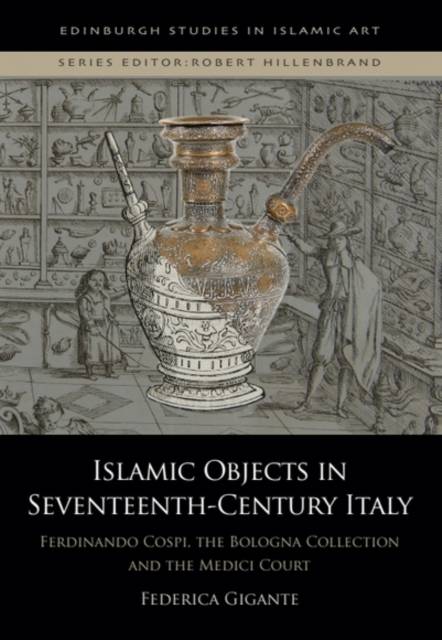
Islamic Objects in Seventeenth-Century Italy
Ferdinando Cospi, the Bologna Collection and the Medici Court
Federica Gigante
€ 370,95
+ 741 punten
Omschrijving
This book reassesses the idea that Islamic objects in seventeenth-century Italy were considered mere curiosities, sparking no cultural or historical interest. It focuses on Italy's largest collection of Islamic artefacts of the time, assembled by the Medici agent and Bolognese nobleman Ferdinando Cospi in his public gallery: the Cospi Museum. Through an extensive investigation of inventories, letters, and archival documents, the book follows the objects through the various paths which took them from the eastern shores of the Mediterranean, through North African cities, to Livorno, Florence and, finally, Bologna. These paths reveal the presence of a network of enslaved Turks, Arab scholars, Egyptian fishermen and Armenian merchants, all responsible for importing both the items and their stories, biographies and anecdotes to Italy. The book thus brings forward to the seventeenth century a phenomenon of cultural inquisition that was thought to start only a century later.
Specificaties
Betrokkenen
- Auteur(s):
- Uitgeverij:
Inhoud
- Aantal bladzijden:
- 392
- Taal:
- Engels
- Reeks:
Eigenschappen
- Productcode (EAN):
- 9781399543095
- Verschijningsdatum:
- 31/10/2025
- Uitvoering:
- Hardcover
- Formaat:
- Genaaid
- Afmetingen:
- 170 mm x 244 mm
- Gewicht:
- 1133 g


Alleen bij Standaard Boekhandel
+ 741 punten op je klantenkaart van Standaard Boekhandel
Cadeau

AANGERADEN


Beoordelingen
We publiceren alleen reviews die voldoen aan de voorwaarden voor reviews. Bekijk onze voorwaarden voor reviews.