


- Afhalen na 1 uur in een winkel met voorraad
- Gratis thuislevering in België vanaf € 30
- Ruim aanbod met 7 miljoen producten
- Afhalen na 1 uur in een winkel met voorraad
- Gratis thuislevering in België vanaf € 30
- Ruim aanbod met 7 miljoen producten





€ 119,45
+ 238 punten
Omschrijving
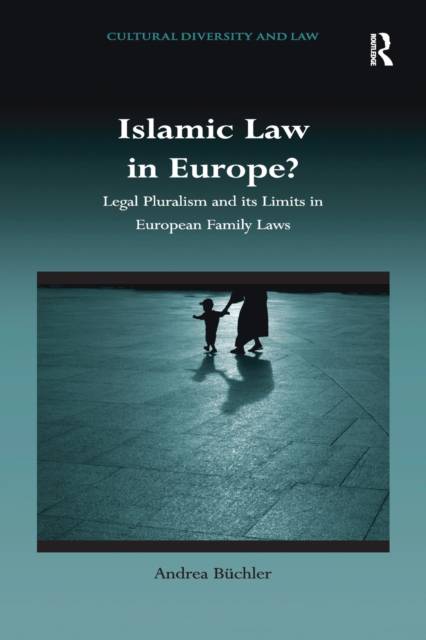
Cultural and religious identity and family law are inter-related in a number of ways and raise various complex issues. European legal systems have taken various approaches to meeting these challenges. This book examines this complexity and indicates areas in which conflicts may arise by analysing examples from legislation and court decisions in Germany, Switzerland, France, England and Spain. It includes questions of private international law, comments on the various degrees of consideration accorded to cultural identity within substantive family law, and remarks on models of legal pluralism and the dangers that go along with them. It concludes with an evaluation of approaches which are process-based rather than institution-based. The book will be of interest to legal professionals, family law students and scholars concerned with legal pluralism.
Specificaties
Betrokkenen
- Auteur(s):
- Uitgeverij:
Inhoud
- Aantal bladzijden:
- 168
- Taal:
- Engels
- Reeks:
Eigenschappen
- Productcode (EAN):
- 9781138278905
- Verschijningsdatum:
- 28/11/2016
- Uitvoering:
- Paperback
- Formaat:
- Trade paperback (VS)
- Afmetingen:
- 156 mm x 234 mm
- Gewicht:
- 244 g


Alleen bij Standaard Boekhandel
+ 238 punten op je klantenkaart van Standaard Boekhandel
Cadeau

AANGERADEN


Beoordelingen
We publiceren alleen reviews die voldoen aan de voorwaarden voor reviews. Bekijk onze voorwaarden voor reviews.