



Bedankt voor het vertrouwen het afgelopen jaar! Om jou te bedanken bieden we GRATIS verzending (in België) aan op alles gedurende de hele maand januari.
- Afhalen na 1 uur in een winkel met voorraad
- In januari gratis thuislevering in België
- Ruim aanbod met 7 miljoen producten
Bedankt voor het vertrouwen het afgelopen jaar! Om jou te bedanken bieden we GRATIS verzending (in België) aan op alles gedurende de hele maand januari.
- Afhalen na 1 uur in een winkel met voorraad
- In januari gratis thuislevering in België
- Ruim aanbod met 7 miljoen producten





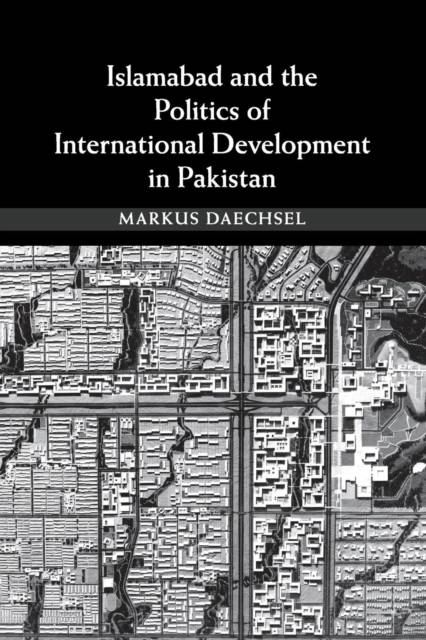
Islamabad and the Politics of International Development in Pakistan
Markus Daechsel
Paperback | Engels
€ 64,95
+ 129 punten
Uitvoering
Omschrijving
This is a highly original account of the design and development of Pakistan's capital city; one of the most iconic and ambitious urban reconstruction projects of the twentieth century. Balancing archival research with fresh, theoretical insights, Markus Daechsel surveys the successes and failures of Greek urbanist Constantinos A. Doxiadis's most ambitious endeavour, Islamabad, analysing how the project not only changed the international order, but the way in which the Pakistani state operated in the 1950s and 1960s. In dissecting Doxiadis's fraught encounter with Pakistani policy makers, bureaucrats and ordinary citizens, the book offers an unprecedented account of Islamabad's place in post-war international development. Daechsel provides new insights into this period and explores the history of development as a charged, transnational venture between foreign consultants and donors on the one side and the postcolonial nation state on the other.
Specificaties
Betrokkenen
- Auteur(s):
- Uitgeverij:
Inhoud
- Aantal bladzijden:
- 332
- Taal:
- Engels
Eigenschappen
- Productcode (EAN):
- 9781107679993
- Verschijningsdatum:
- 1/06/2017
- Uitvoering:
- Paperback
- Formaat:
- Trade paperback (VS)
- Afmetingen:
- 152 mm x 229 mm
- Gewicht:
- 444 g


Alleen bij Standaard Boekhandel
+ 129 punten op je klantenkaart van Standaard Boekhandel
SOLDEN


Beoordelingen
We publiceren alleen reviews die voldoen aan de voorwaarden voor reviews. Bekijk onze voorwaarden voor reviews.