



Bedankt voor het vertrouwen het afgelopen jaar! Om jou te bedanken bieden we GRATIS verzending (in België) aan op alles gedurende de hele maand januari.
- Afhalen na 1 uur in een winkel met voorraad
- In januari gratis thuislevering in België
- Ruim aanbod met 7 miljoen producten
Bedankt voor het vertrouwen het afgelopen jaar! Om jou te bedanken bieden we GRATIS verzending (in België) aan op alles gedurende de hele maand januari.
- Afhalen na 1 uur in een winkel met voorraad
- In januari gratis thuislevering in België
- Ruim aanbod met 7 miljoen producten





€ 24,95
+ 49 punten
Omschrijving
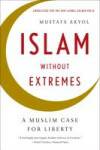
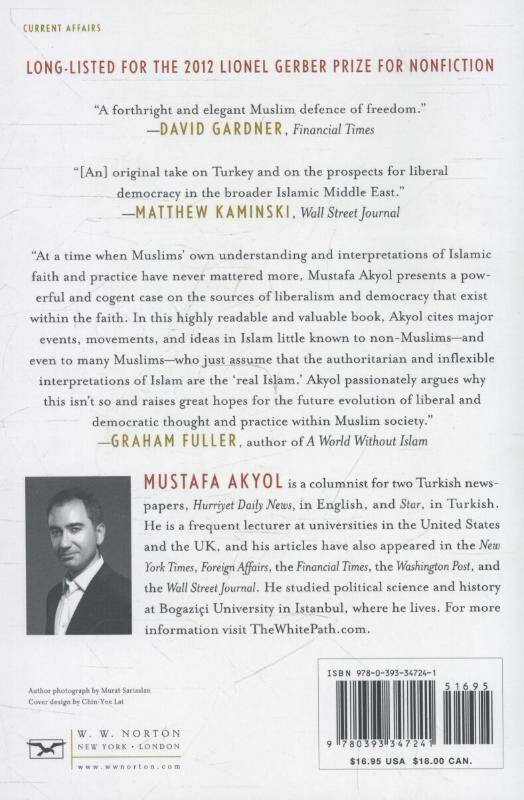
As the Arab Spring threatens to give way to authoritarianism in Egypt and reports from Afghanistan detail widespread violence against U.S. troops and women, news from the Muslim world raises the question: Is Islam incompatible with freedom? In Islam without Extremes, Turkish columnist Mustafa Akyol answers this question by revealing the little-understood roots of political Islam, which originally included both rationalist, flexible strains and more dogmatic, rigid ones. Though the rigid traditionalists won out, Akyol points to a flourishing of liberalism in the nineteenth-century Ottoman Empire and the unique "Islamo-liberal synthesis" in present-day Turkey. As he powerfully asserts, only by accepting a secular state can Islamic societies thrive. Islam without Extremes offers a desperately needed intellectual basis for the reconcilability of Islam and liberty.
Specificaties
Betrokkenen
- Auteur(s):
- Uitgeverij:
Inhoud
- Aantal bladzijden:
- 368
- Taal:
- Engels
Eigenschappen
- Productcode (EAN):
- 9780393347241
- Verschijningsdatum:
- 4/11/2013
- Uitvoering:
- Paperback
- Formaat:
- Trade paperback (VS)
- Afmetingen:
- 140 mm x 206 mm
- Gewicht:
- 299 g


Alleen bij Standaard Boekhandel
+ 49 punten op je klantenkaart van Standaard Boekhandel
SOLDEN


Beoordelingen
We publiceren alleen reviews die voldoen aan de voorwaarden voor reviews. Bekijk onze voorwaarden voor reviews.