


- Afhalen na 1 uur in een winkel met voorraad
- Gratis thuislevering in België vanaf € 30
- Ruim aanbod met 7 miljoen producten
- Afhalen na 1 uur in een winkel met voorraad
- Gratis thuislevering in België vanaf € 30
- Ruim aanbod met 7 miljoen producten





€ 24,45
+ 48 punten
Uitvoering
Omschrijving
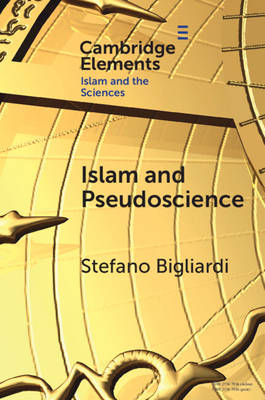
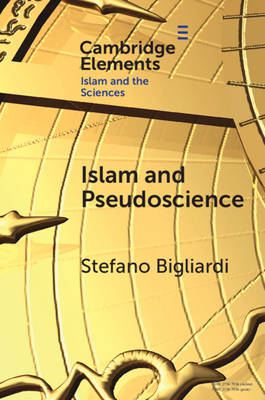
Pseudoscience includes any practice or argument that is presented as scientific but systematically violates criteria that distinguish science, particularly experimental verification. This Element discusses, in critical fashion, different ideas and approaches that combine pseudoscience and Islam. It begins by historically reconstructing the debate on Islam-related pseudoscience developed by Muslim and non-Muslim critics. It then analyzes three areas which these critics have identified as pseudoscience: iʿjāz ʿilmī or the "miraculous scientific content of the Qur'an"; Islamic creationism; ideas and approaches related to hygiene, nutrition, health, and illness. Each area is dissected, identifying the exact reasons that characterize some of its versions as pseudoscientific. After a section discussing other malpractices and erroneous approaches, which do not strictly qualify as pseudoscience but accompany and foster it, the Element ends with the discussion of overarching questions constituting an agenda for future discussions of Islam-related pseudoscience.
Specificaties
Betrokkenen
- Auteur(s):
- Uitgeverij:
Inhoud
- Aantal bladzijden:
- 84
- Taal:
- Engels
- Reeks:
Eigenschappen
- Productcode (EAN):
- 9781009608213
- Verschijningsdatum:
- 14/08/2025
- Uitvoering:
- Paperback
- Formaat:
- Trade paperback (VS)
- Afmetingen:
- 152 mm x 229 mm
- Gewicht:
- 122 g


Alleen bij Standaard Boekhandel
+ 48 punten op je klantenkaart van Standaard Boekhandel
Cadeau

AANGERADEN


Beoordelingen
We publiceren alleen reviews die voldoen aan de voorwaarden voor reviews. Bekijk onze voorwaarden voor reviews.